The Dish That Changed Everything
At 7 Spice Bistro, we have watched something quietly extraordinary happen over the past few years — Brampton has fallen deeply, completely, and unapologetically in love with biryani. Not the kind you settle for. The kind you plan your Tuesday evening around. The kind that makes the whole table go silent for a respectful moment before anyone reaches for a spoon.
And in 2026, that love affair is stronger than ever.
Biryani is not just a rice dish. It never was. It is a slow-cooked argument between fire, spice, and patience — one that ends in a fragrant, golden peace every single time. Across Brampton and Mississauga, we are seeing diners who once treated biryani as a weekend-only comfort food now seeking it out as their go-to weeknight meal, their celebration centrepiece, their “I’ve had a hard day and I need something that will fix it” dish. And honestly? We think that shift is long overdue.
⚡ QUICK ANSWER
Biryani is experiencing a genuine cultural resurgence in Brampton and Mississauga because modern diners are finally recognising it as a complete, deeply layered meal with historical roots stretching back to the Mughal courts — not simply a side dish or a rice filler. At 7 Spice Bistro, we honour that history by slow-cooking each biryani with traditional dum techniques while sourcing the freshest whole spices available.
What Makes Biryani So Much More Than Rice?
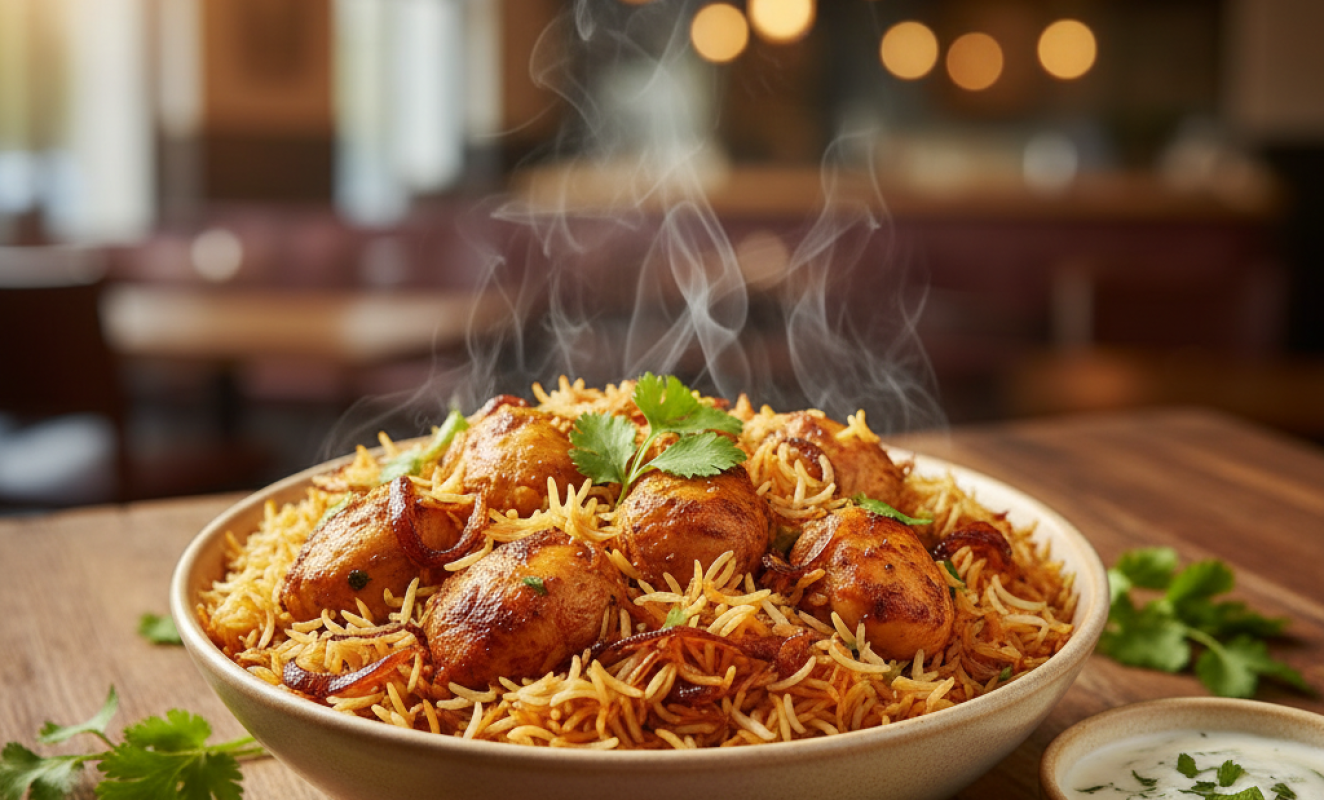
Biryani is one of the most architecturally complex dishes in the entire canon of Indian food — a fact that most diners feel instinctively but rarely have the vocabulary to explain. It is not rice with things mixed in. It is alternating, carefully built layers of partially cooked long-grain basmati, marinated protein, caramelised onions, saffron milk, and whole aromatics — sealed together and finished with steam pressure in a technique called dum pukht, which translates roughly as “breathe and cook.”
That technique, borrowed from the royal kitchens of the Mughal Empire in the 16th century, is essentially a pressure-cooking method invented centuries before modern appliances existed. The lid is sealed with dough, trapping steam inside and allowing the ingredients to finish cooking in their own moisture and fragrance. The result is rice where every single grain is separate, infused, and alive with flavour — without being wet, mushy, or heavy.
According to Statista (2024), the global Indian food market is projected to surpass USD $28 billion by 2028, with rice-based dishes consistently ranking among the top ordered categories in diaspora markets. That is not a coincidence. It is a reflection of how deeply biryani resonates — not just culturally, but sensorially.
Our team at 7 Spice Bistro still seals our biryani pots by hand before the dum stage. We know that might sound theatrical in a modern kitchen, but that small act makes an enormous difference. The steam stays in. The saffron blooms fully. The cardamom and star anise surrender everything they have. You taste the difference — even if you cannot explain why.
“A properly made biryani is not a dish you eat — it is a dish you experience. Every layer tells a different part of the same story.”
Why Is Brampton the Epicentre of This Biryani Renaissance?
Brampton is uniquely positioned to lead this conversation, and it is not simply because of demographics. The city’s South Asian community brings with it multi-generational culinary memory — grandmothers who learned specific regional biryani techniques in Punjab, Gujarat, and Hyderabad, and grandchildren who are now comparing those memories with what they find at local restaurants. That creates an unusually informed, unusually discerning dining public.
According to Statistics Canada (2021 Census), more than 42% of Brampton’s population identifies as South Asian — one of the highest concentrations of any Canadian city. When nearly half a city carries deep personal experience with a cuisine, the standard for that cuisine rises sharply. Mediocre simply does not survive here.
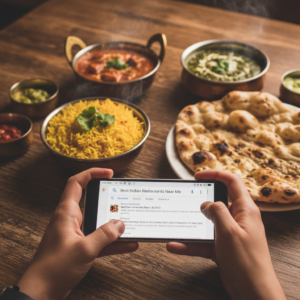
But something else is also happening. Non-South Asian diners across Brampton and neighbouring Mississauga are discovering biryani for the first time — through friends, through office lunches, through that one adventurous family outing — and they are staying. They are becoming regulars. They are the people who search “indian food near me” or “best indian food brampton” at 6pm on a Friday and end up at our door with curious eyes and an open appetite.
That cross-cultural curiosity is what makes this moment feel genuinely renaissance-like. It is not a niche trend. It is a widening of the circle.
Regional Biryani Styles: Why One Name Covers a World of Difference
Part of what makes biryani endlessly interesting — and part of what fuels the Brampton conversation — is that there is no single biryani. The dish varies dramatically by region, and each version makes a persuasive case for itself.
Hyderabadi biryani, arguably the most famous globally, uses raw marinated meat layered directly with rice before the dum cooking begins — creating an intensely flavoured result where the protein and grain cook simultaneously and mingle their juices. Lucknowi (Awadhi) biryani, by contrast, uses a pakki method, where the meat is fully cooked in a rich gravy before being layered with the rice — yielding a gentler, more fragrant outcome. Kolkata biryani adds a boiled egg and potato, a legacy of the Nawab of Awadh who brought the dish to Bengal and adapted it to local scarcity. Sindhi biryani leans sour and spicy, layered with tomatoes and dried plums that cut through the richness with a bright tang.
When diners in Brampton talk about biryani, they often carry loyalty to one specific regional style — sometimes without knowing the name for it. Our team at 7 Spice Bistro has always found that fascinating. It is culinary memory operating below the surface of language.
How Does Modern Preparation Make Traditional Biryani Better?
Modern preparation elevates traditional biryani not by replacing its soul, but by giving it more consistent, reliable expression — better ingredient sourcing, precise temperature control, and deeper understanding of the science behind the dum technique all allow the dish to reach its full potential every single time, not just on a lucky night.
The biggest misconception about modern culinary technique is that it means shortcuts. It does not — or at least, it should not. At an indian restaurant brampton families have come to trust, the goal is always the same: make the traditional version as good as it has ever been, with the consistency that a restaurant kitchen demands.
What modern technique actually gives us is control. We know the precise moisture content at which basmati rice should be parboiled before layering — roughly 70% cooked — so it absorbs the remaining steam and flavour without overcooking. We source saffron specifically from Kashmir and Iran, testing each batch for colour and fragrance before it goes into a single pot. We toast our whole spices — cardamom, cloves, cinnamon, bay leaves — to order, never in advance, because the volatile aromatics that give them their character begin to dissipate within hours of toasting.
These are not modern inventions. They are ancient principles applied with modern diligence.
The Biryani as a Complete Meal: Rethinking How We Eat
One of the most important shifts in how Brampton diners are approaching biryani is the recognition that it is a complete meal — not an accompaniment, not a side, and not something that needs a supporting cast of six other dishes to feel satisfying.
A well-made biryani contains protein, carbohydrate, fat, aromatics, and vegetables within a single, unified preparation. It comes with raita — the cool, yogurt-based condiment that balances its warmth — and perhaps a small side of salan, a thin curry that softens the rice at the edges of the pot. That is all you need. That is the whole experience.
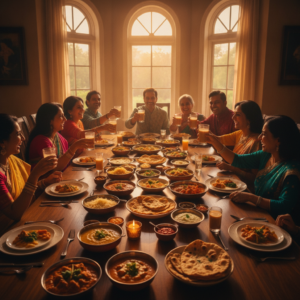
We have noticed more and more diners at our Brampton location arriving and ordering biryani as their entire meal — not because they cannot afford more, but because they understand what they are getting. That is a sign of a dining culture that has matured in its relationship with this dish.
If you are curious about how biryani sits alongside other showstoppers in authentic Indian cooking, we have written about the equally passionate debate around another beloved classic: The Butter Chicken Debate: Traditional Recipe vs. Modern Brampton Interpretations. The conversations are remarkably similar — and remarkably revealing about how we honour the dishes we love most.
Where Does 7 Spice Bistro Fit Into This Story?
7 Spice Bistro sits at the intersection of Brampton’s culinary heritage and its evolving food culture — serving a community that knows exactly what it wants and will not accept anything less than the real thing.
When someone searches “indian restaurant near me” or wonders where to find the best indian food brampton has to offer, we want them to land here — not because we market ourselves loudly, but because our biryani earns that reputation quietly, one table at a time. Our 7 Spice Bistro menu has been shaped by direct feedback from the Brampton and Mississauga communities we serve, and the biryani — in all its regional expressions — has consistently been at the heart of what people come back for.
We also serve Brampton and Mississauga through our food truck presence, which means the biryani renaissance is not limited to sit-down dining. Our 7 Spice Bistro food truck brings authentic dum-cooked biryani to local events, community gatherings, and the kind of spontaneous Friday evenings where you follow your nose to the source. Whether you have searched “food truck brampton,” “indian food truck near me,” or simply “food truck near me” and ended up finding us — welcome. You made the right turn.
Our hakka food offerings round out a menu that reflects the full breadth of South and East Asian culinary influence in the GTA — a reminder that Brampton’s food story is never one-dimensional. And for those exploring what we do beyond biryani, our seafood preparations carry the same philosophy of respect and restraint: Seafood in Indian Cuisine: What Makes 7 Spice Bistro’s Fish & Shrimp Dishes Stand Out.
The seven spice bistro difference is not a slogan. It is a standard — one our team returns to every morning when the first pot goes on.
“We do not make biryani quickly. We make it correctly. And in Brampton, people can taste the difference — because they have been eating biryani their whole lives.”
The biryani renaissance in Brampton is not a marketing trend or a food media moment. It is a community finally insisting — collectively, loudly, and through its spending choices — that this dish deserves to be treated with the reverence it has always carried in the cultures that created it. We are proud to be part of that insistence. We hope you will pull up a chair, let us lift the lid on a fresh pot, and experience exactly what all the fuss is about.
Ready to Experience the Biryani Renaissance for Yourself?
Come hungry, come curious, and come ready for a pot of something extraordinary. Our team at 7 Spice Bistro in Brampton is ready to serve you the dish that is changing the way the city thinks about Indian food — one fragrant, golden, perfectly layered spoonful at a time.
✍️ Written by the 7 Spice Bistro Team
We are the chefs, storytellers, and spice enthusiasts behind Brampton’s most talked-about Indian kitchen. Every article we write comes from the same place as our food — a genuine love for authentic flavour and the communities of Brampton and Mississauga we are honoured to feed.
Frequently Asked Questions
What makes biryani different from regular rice dishes?
Biryani is fundamentally different from other rice dishes because of its layered construction and the dum pukht cooking method — a centuries-old sealed-steam technique that cooks fragrant basmati rice alongside marinated protein and whole spices in a single, unified process. Unlike plain rice or pilaf-style preparations, biryani builds flavour vertically through distinct layers rather than mixing ingredients uniformly, resulting in each spoonful offering a slightly different combination of taste and texture.
How do I know if I’m getting authentic biryani at a restaurant near me?
Authentic biryani takes time — typically between 45 minutes and over an hour to prepare properly — so any restaurant serving it in under 15 minutes is almost certainly using pre-made rice reheated with toppings rather than a true dum-cooked preparation. Look for restaurants where biryani arrives sealed or is opened tableside, where the rice grains are visibly separate and saffron-tinted, and where the dish comes accompanied by fresh raita rather than bottled condiments. At 7 Spice Bistro in Brampton, every biryani is made to order.
Why is Brampton becoming known for some of the best Indian food in the GTA?
Brampton has developed a reputation for exceptional Indian food because of its large, multi-generational South Asian community that holds restaurants to a genuinely high standard rooted in lived culinary experience. When a significant portion of your dining public grew up eating home-cooked regional Indian food, the bar for what qualifies as “good” is set by memory and tradition — not just by novelty. That competitive, knowledge-driven environment has pushed restaurants across Brampton and neighbouring Mississauga to continuously improve their craft.
Can I order biryani from 7 Spice Bistro for a large group or family gathering?
Absolutely — biryani is in many ways the ideal large-group dish, and we regularly prepare it for family gatherings, celebrations, and catered events across Brampton and Mississauga. Our team can accommodate large-batch orders with advance notice, and we offer catering options that bring the full 7 Spice Bistro experience to your venue. For details on how we handle larger events, visit our Catering Your Brampton Event: Why Indian Food Impresses Corporate Teams and Family Reunions page to learn more about what we offer.
Related Articles
- What Makes a Biryani Worth the Wait? The Science of Patient Cooking
- The Rice Situation: Basmati, Jasmine & Brown—Which Base Matters Most for Your Curry
- The Coconut Milk Spectrum: Light, Medium & Rich—Why Your Curry Thickness Matters
- Brampton vs. Mississauga: Is 7 Spice Bistro's Menu Different Across Locations?