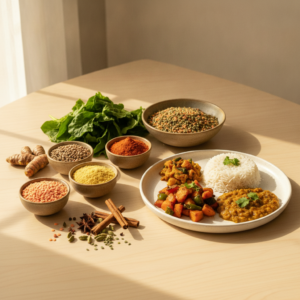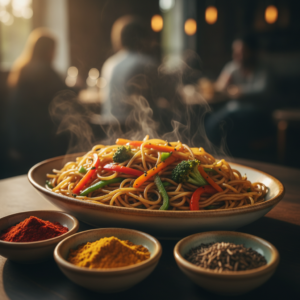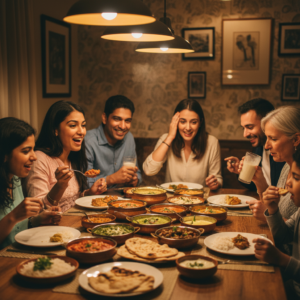
When people searching for the best restaurants mississauga and Brampton start comparing notes on South Indian food, dosa almost always enters the conversation first — and for good reason. In 2026, this humble rice-and-lentil crêpe has gone from a regional specialty to one of the most searched dishes across the GTA, with families driving across city limits just to find one that’s genuinely done right. But here’s what most people don’t talk about: not all dosas are created equal, and ordering one without knowing what to look for can mean the difference between a revelatory meal and a disappointment you paid good money for. At 7 Spice Bistro, we’ve spent seven years preparing Indian cuisine in Brampton, and we’ve seen firsthand what separates a dosa worth returning for from one that’s simply filling a spot on a menu.
⚡ QUICK ANSWER
The best dosa in Brampton will have a batter that’s been properly fermented for at least 8 hours, a thin and uniformly crispy texture, and a filling — if stuffed — made with fresh, seasoned potatoes and whole-spice tempering. Watch for colour, crunch, and the smell of a well-seasoned iron griddle. Avoid dosas that are pale, doughy, or served with watery, flavourless chutneys.
What Is a Dosa, and Why Does It Demand Respect?
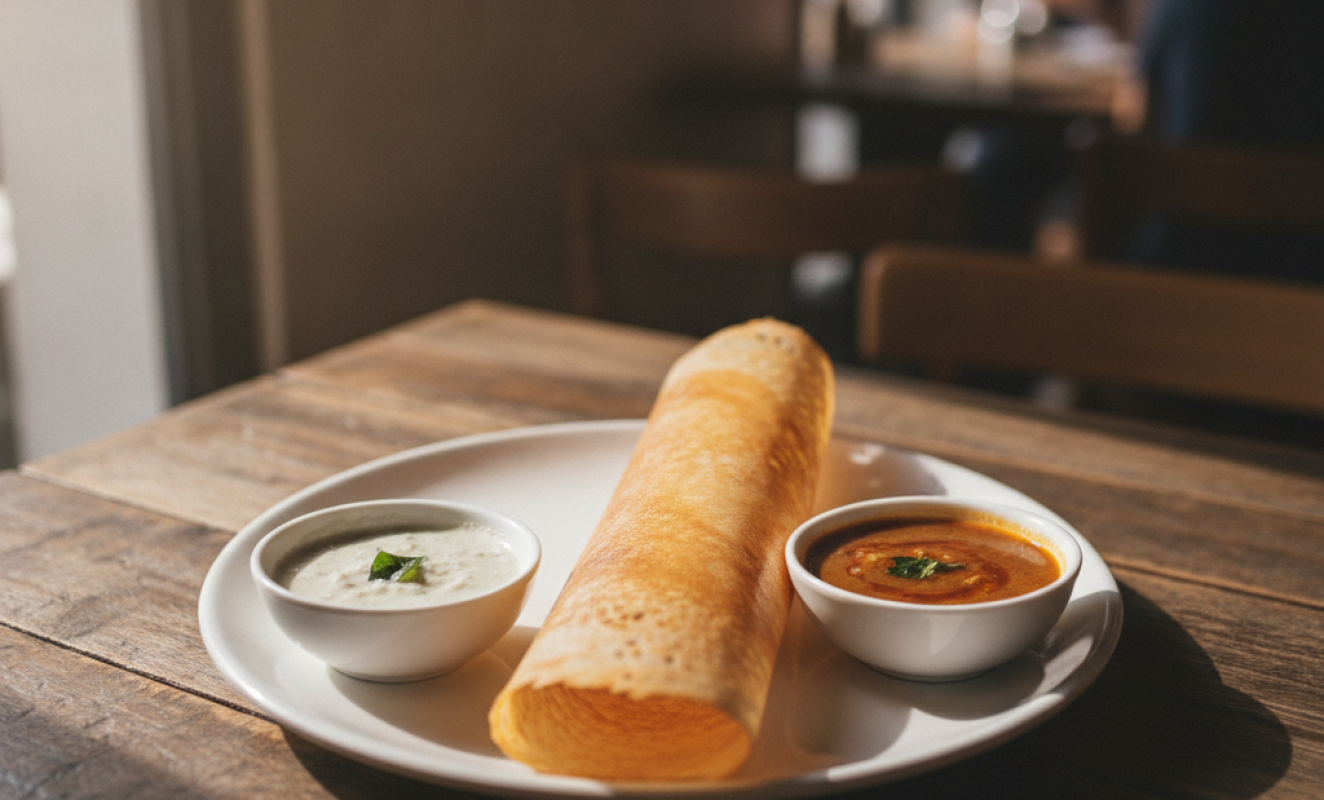
A dosa is a fermented crêpe made from a ground batter of rice and urad dal (black lentils), and it is one of the oldest and most technically demanding dishes in the South Indian culinary canon. It is not simply a wrap or a flatbread — it is the result of a multi-day process that requires the right grain-to-lentil ratio, controlled fermentation, and a griddle that has been seasoned over years of use.
What makes dosa so remarkable is that its simplicity is deceptive. The ingredient list is short, but the technique is everything. Fermentation is what creates the signature slight tang and the airy, lacy texture. Skip or rush that step, and you have a starchy pancake with none of the character that makes dosa worth seeking out. At 7 Spice Bistro, our Indian cuisine menu reflects years of understanding this kind of discipline — the kind that doesn’t cut corners because corners are where the flavour lives.
Brampton’s South Asian dining scene has grown impressively, but the availability of dosa doesn’t automatically mean it’s being made with the care it deserves. Knowing what to look for — and what to walk away from — is the first step toward finding the real thing.
How Do You Spot a Properly Fermented Dosa Batter?
A properly fermented dosa batter has a mildly sour aroma, a slightly bubbly consistency, and produces a crêpe that crisps evenly across its entire surface without tearing or sticking. If the batter hasn’t fermented long enough, the result is dense, pale, and chewy — three qualities that should raise an immediate red flag.
Fermentation is not just a flavour step — it’s a structural one. The natural fermentation process produces lactic acid, which loosens the batter, develops the sour note that balances the sambar, and allows the dosa to spread thin on a hot griddle without falling apart. A well-fermented batter flows evenly in a circular motion from the centre outward, and it cooks to a golden-amber finish within minutes.
At our kitchen in Brampton, fermentation is treated as a non-negotiable step — not something to be compressed for the sake of speed. This is the kind of process that separates restaurants that genuinely care about authenticity from those that have simply added dosa to a long menu as an afterthought.
“A dosa’s quality is decided before it ever touches the griddle. The fermentation window — typically 8 to 12 hours — is where the foundation of texture, flavour, and crispness is built.”
Signs Your Dosa Batter Was Rushed
There are telltale signs when batter hasn’t been given enough fermentation time. The dosa will look pale or greyish rather than golden. The edges won’t curl or crisp — they’ll stay limp. The texture in the centre will be gummy rather than thin and yielding. And the flavour will be flat, like plain rice flour, without any of the subtle tang that makes dosa so satisfying alongside coconut chutney and sambar.
If you’ve ever ordered what was described as the best dosa in Brampton only to be handed something that looked like a pale, thick pancake, this is almost certainly the culprit.
What Separates a Great Masala Dosa From a Mediocre One?
A great masala dosa combines a crispy, golden shell with a filling of seasoned potatoes that is fragrant, textured, and built on a proper tempering of mustard seeds, curry leaves, green chilli, and fresh ginger. A mediocre masala dosa wraps the same shell around a bland mash with no aromatics and no colour.
The masala — the spiced potato filling — is where many kitchens reveal their priorities. Done right, it should have visible turmeric, soft but not mushy potato chunks, golden onion pieces, and the pop of mustard seeds that have been bloomed in hot oil. The filling should be moist enough to hold together but not so wet that it turns the dosa soggy from the inside out.
Our team at 7 Spice Bistro approaches masala dosa the same way we approach every dish on our menu: with attention to layering. Tempering isn’t decorative — it’s foundational. The moment mustard seeds hit hot oil and begin to pop, and curry leaves release their aromatic oil, is when the flavour base is built. Everything that comes after rests on that moment.
The Accompaniments Tell You Just as Much as the Dosa Itself
Coconut chutney and sambar are not afterthoughts — they are integral to the dosa experience. A well-made coconut chutney should be fresh, mildly sweet, tempered with dried red chilli and curry leaves, and thick enough to cling to a torn piece of dosa. A thin, watery chutney that was made in bulk and stored for days will have lost its freshness and will taste exactly like that.
Sambar — the tamarind-based lentil soup served alongside — should be sour, slightly sweet, and rich with cooked vegetables and a blend of spices including coriander, cumin, and dried red chilli. It should taste like something that simmered on a stove, not something reconstituted from a concentrate. If the sambar tastes one-dimensional, treat it as a warning about the kitchen’s overall standards.
For more context on what authentic preparation looks like across Indian dishes, we’d recommend reading our team’s perspective in Authentic Indian Cuisine: 8 Hallmarks That Tell You a Restaurant Is the Real Deal — it covers standards that apply well beyond dosa.
Why the Griddle and Cooking Surface Matter More Than People Think
The griddle — traditionally a cast-iron tawa — is the piece of equipment that makes or breaks a dosa. A properly seasoned, high-temperature tawa allows the batter to spread quickly into a thin, even crêpe and crisps the bottom without burning it. A non-stick or improperly heated surface produces a dosa that steams rather than crisps.
A seasoned cast-iron surface, maintained and used daily, carries years of absorbed oils and flavour compounds that contribute to the complex taste of an authentic dosa. It’s why dosas from a kitchen that has been making them consistently for years taste noticeably different from dosas made on new or poorly maintained equipment. This is one of those invisible advantages that experienced kitchens carry quietly.
Temperature control is equally critical. The batter needs a surface hot enough to crisp the outside quickly while allowing enough time to spread the dosa thin before it sets. Too cool and it sticks and tears. Too hot and the edges burn before the centre cooks through. Watching a skilled dosa cook work is one of the more genuinely impressive kitchen skills in Indian cuisine — and it’s not an accident that the best dosa in Brampton tends to come from kitchens that have invested serious time into mastering it.
This same dedication to craft shows up across our full menu at 7 Spice Bistro — whether we’re preparing our Indian cuisine, our Hakka Chinese dishes, or catering for an event in the Brampton area. The equipment and the technique are always the foundation.
What Else Should You Order When You’re Already There?
A great dosa is often a gateway dish — once you’re seated at a restaurant that does it right, it’s worth exploring the full depth of what the kitchen can offer. At 7 Spice Bistro, dosa is one part of a menu that spans traditional Indian cuisine, Hakka Chinese dishes, and a range of catering-ready options built for larger gatherings.
Families dining with us in Brampton often arrive for one dish and leave having discovered several others. Our tandoori preparations — frequently searched as tandoori chicken near me — bring the same commitment to spice balance and cooking technique that defines our dosa. The marinade is built on yogurt, fresh ginger, garlic, and a measured hand with aromatics, cooked in a high-heat tandoor that produces charred, juicy results with no reliance on artificial colouring.
For those exploring beyond dosa and tandoori, our Hakka Chinese menu offers a different dimension entirely — Indo-Chinese dishes that are bold, saucy, and built for sharing. And for anyone who’s been looking for amritsari kulcha near me with the kind of flaky, buttery crust that defines the Punjabi original, our kulcha preparation is a serious contender. To understand more about the range of dishes worth discovering, check out Top Restaurants in Brampton Right Now: A Neighbourhood-by-Neighbourhood Breakdown — it puts the local dining scene into useful context for anyone navigating their options.
We’re also proud to be a destination for families looking for the best restaurants in brampton ontario without the pressure of a high price point. Budget-friendly doesn’t mean compromising — it means making smart choices about where every dollar in the kitchen goes. It goes into the ingredients, the fermentation time, the seasoned griddle, and the chutneys made fresh. It doesn’t go into décor or marketing inflated as quality.
If you’re looking for the best restaurant near me that genuinely covers South Indian, North Indian, and Hakka Chinese cuisine under one roof with consistent standards, 7 Spice Bistro has been that place in Brampton for seven years. And for anyone who loves Indian cheese and wants to explore what a real paneer-forward menu looks like, our related guide on Paneer 101: Every Dish, Every Style, and Why Indian Cheese Deserves a Spot on Your Table is worth a read before your next visit.
Whether you’re driving in from Mississauga as one of those searching for the best restaurants mississauga residents recommend to visitors, or you’re a longtime Brampton local who hasn’t yet walked through our door — the dosa is a good place to start. It will tell you everything you need to know about how seriously a kitchen takes its craft.
Ready to Try the Real Thing?
Come visit us at 7 Spice Bistro in Brampton and taste what seven years of authentic Indian cuisine preparation actually looks like on a plate. Dine in, order for delivery, or talk to us about catering your next event — we’re here for all of it.
✍️ Written by the 7 Spice Bistro Team
Our team has been serving authentic Indian and Hakka cuisine in Brampton for over seven years, building every dish from the same foundation: real technique, quality ingredients, and an honest respect for the traditions behind the food. We write about what we know, because we cook it every day.
Frequently Asked Questions
How do I know if a dosa is made with properly fermented batter?
Look for a golden-amber colour, crispy edges that curl slightly, and a subtle sour note in the flavour. A properly fermented dosa batter produces a thin, lacy crêpe that crisps quickly on a hot griddle and has a mildly tangy taste. If the dosa is pale, thick, or chewy, the batter was likely under-fermented or made from a premixed shortcut.
What types of dosa are typically available at an authentic Indian restaurant?
A well-rounded Indian restaurant menu will typically include plain dosa, masala dosa (filled with spiced potato), rava dosa (made with semolina for a lacier texture), and paper dosa (an extra-thin, crispy version). Each style requires a slightly different batter ratio or preparation technique, and a kitchen that offers multiple styles confidently is usually one that takes dosa seriously.
Why does dosa taste different from one restaurant to another even when the ingredients seem the same?
The difference comes down to fermentation time, griddle seasoning, the rice-to-lentil ratio in the batter, and cooking temperature — none of which are visible on a menu. Two dosas made from nearly identical ingredients can taste completely different depending on how long the batter was fermented, how well-seasoned the tawa is, and how confidently the cook spreads and times the crêpe. This is why experience in the kitchen matters enormously.
Can I order dosa and other Indian dishes as part of a catering menu for an event?
Yes — at 7 Spice Bistro, our catering service is designed to bring the same quality you’d experience dining in to your private event or gathering in Brampton or the surrounding area. We work with families and groups to build menus that include South Indian dishes, North Indian classics, and Hakka Chinese options. Reach out to our team directly through our website to discuss your event and menu preferences.