If you’ve spent any time searching for a great restaurant brampton locals actually love, you’ve probably noticed that the GTA food scene in 2026 has never been more exciting — or more deliciously complicated. Somewhere between the rise of Indo-Chinese street food and the timeless pull of a golden, flaky samosa, a very real debate has taken hold among GTA foodies: which dumpling reigns supreme? The momo, a soft-steamed parcel of spiced filling with roots in the Himalayan highlands, or the samosa, that iconic triangular pastry that has anchored Indian snack culture for centuries? At 7 Spice Bistro, we’ve served both to thousands of guests across Brampton and Mississauga — and we’re ready to settle this once and for all.
⚡ QUICK ANSWER
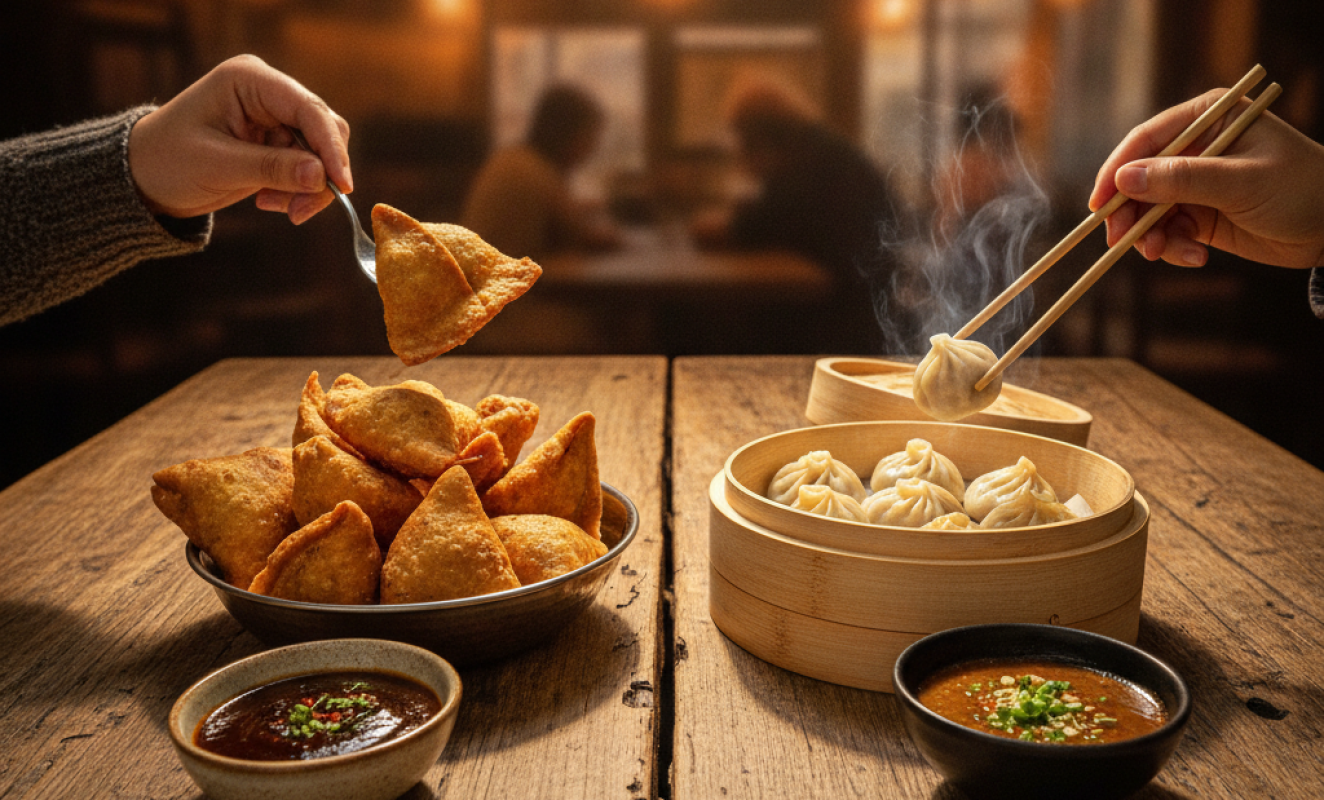
Momos and samosas are both beloved South and Central Asian dumplings, but they differ in dough, cooking method, spice profile, and cultural origin. Samosas are deep-fried and triangular with boldly spiced fillings rooted in Indian street food tradition; momos are steamed or pan-fried with subtler, often Hakka-influenced fillings. Neither wins outright — the best choice depends on what you’re craving. At 7 Spice Bistro in Brampton, we serve both, and we’ll help you decide.
What Exactly Are Momos and Samosas — And Where Do They Come From?
The samosa is a staple of Indian culinary heritage, and the momo is a Himalayan and Tibetan dumpling that found its way into Indian and Indo-Chinese cuisine through migration, trade, and the melting-pot energy of cities like Kolkata and Darjeeling. Understanding where these two come from makes the comparison far more interesting than a simple taste test.
The samosa traces its origins back centuries, with documented references in medieval Indian texts describing a triangular fried pastry filled with meat or vegetables. Today’s samosa is deeply woven into the fabric of Indian street food — the kind of snack you find at every Diwali gathering, roadside dhaba, and family dinner table. Its outer shell is a firm, golden pastry made from maida (refined flour), and the classic filling blends spiced potatoes, peas, and aromatic herbs. It is always served hot, often alongside mint chutney and tamarind sauce.
The momo, on the other hand, is rooted in the culinary traditions of Nepal, Tibet, and the Northeastern Indian states. The dough is thinner and softer, made from plain flour and water, and the filling — whether vegetable, paneer, or chicken — is seasoned with ginger, garlic, and subtle aromatics. Momos are traditionally steamed, though pan-fried and even fried variations have become wildly popular. If you’ve ever typed momos near me into your phone late on a Friday night, you know how powerful that craving can be.
Both are dumplings in the broadest sense — a starchy wrapper encasing a seasoned filling — but the similarities largely end there. Their flavour philosophies, textures, and dining contexts are meaningfully different.
How Do Momos and Samosas Actually Compare? A Head-to-Head Breakdown
When you put momos and samosas side by side across key attributes — texture, flavour intensity, cooking method, and versatility — the differences become vivid. Here is how these two iconic dumplings stack up across the qualities that matter most to food enthusiasts.
| Attribute | Samosa | Momo |
|---|---|---|
| Dough Type | Firm, flaky maida pastry | Thin, soft plain flour wrapper |
| Cooking Method | Deep-fried | Steamed, pan-fried, or fried |
| Flavour Profile | Bold, heavily spiced, earthy | Subtle, ginger-forward, lighter |
| Shape | Triangular / cone | Round, crescent, or purse-shaped |
| Cultural Roots | Indian / South Asian | Himalayan / Tibetan / Nepali |
| Common Accompaniment | Mint chutney, tamarind sauce | Sesame-chili sauce, tomato-based dip |
| Texture | Crispy, crunchy exterior | Soft, pillowy, tender |
| Vegetarian Options | Widely available (potato, pea) | Widely available (paneer, veg) |
What this table makes clear is that momos and samosas are playing two very different flavour games. Samosas bring intensity — the kind of bold, warming spice that hits you immediately and lingers. Momos offer restraint — a gentle, balanced bite where the quality of the filling speaks without the interference of heavy masala. Neither is inferior; they simply serve different cravings.
Why the GTA Food Scene Has Fallen Hard for Both
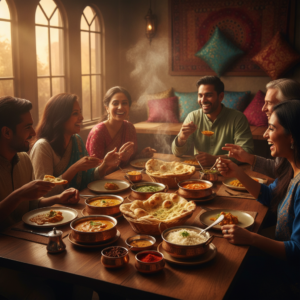
The Greater Toronto Area has one of the most diverse food cultures in North America, and Brampton sits at the heart of that diversity. It is precisely this multicultural richness that has allowed both momos and samosas to thrive — not as competitors, but as parallel icons of two overlapping food traditions.
Brampton’s South Asian community has long had a deep love for the samosa. It appears at every cultural celebration, community event, and weekend family gathering. Meanwhile, the rise of Hakka Chinese cuisine — which blends Chinese cooking techniques with Indian spices and has been deeply embraced across the GTA — brought momos into the mainstream Indian-dining conversation. Today, you’ll find momos on the menus of the Best Restaurants in Brampton, Ontario: A Neighbourhood-by-Neighbourhood Dining Guide for 2026, sitting comfortably alongside samosas, butter chicken, and Hakka noodles.
There’s also a growing appetite — particularly among younger GTA diners — for street food experiences that span multiple culinary traditions. The popularity of food festivals, pop-up stalls, and even the search for an indian food truck near me reflects a generation that wants to explore, not choose. They want the samosa and the momo. They want tradition and innovation on the same plate.
“The best meal isn’t always about picking a winner. At 7 Spice Bistro, we’ve always believed that a truly great dining experience makes room for the whole story — the familiar and the adventurous, the crispy and the soft, the bold and the subtle.”
This is also why, when Brampton and Mississauga foodies look for the best restaurants brampton has to offer, they’re increasingly drawn to menus that reflect this breadth. A restaurant that can deliver a perfectly spiced samosa alongside a well-crafted momo — and pair both with the right chutneys and dipping sauces — demonstrates genuine culinary range.
Where Does Amritsari Kulcha Fit Into This Dumpling Conversation?
Amritsari kulcha belongs to a slightly different category — it is a stuffed flatbread rather than a folded parcel — but it deserves mention in any serious conversation about iconic Indian stuffed foods. It is the Punjabi answer to the question: what do you do when you want all the satisfaction of a dumpling without any of the deep frying?
Originating from the city of Amritsar in Punjab, the kulcha is a leavened flatbread stuffed with spiced potatoes, onions, and herbs, then cooked in a tandoor or on a tawa until it blisters and develops a gorgeous, slightly charred crust. Served with chole (spiced chickpeas), a dab of butter, and sliced onions, an Amritsari kulcha is a full meal — hearty, deeply satisfying, and unmistakably Punjabi.
The search for amritsari kulcha brampton has been growing steadily, and it’s easy to see why. As Brampton’s dining scene matures, diners are looking beyond the most familiar Indian dishes and exploring regional specialties that offer something genuinely different. The kulcha is that dish — a conversation starter that rewards curiosity.
If you’re exploring the full landscape of Indian stuffed foods — from samosas to momos to kulchas — you’ll find that each one tells a different regional story. The samosa speaks to the street food culture of North India; the momo reflects the Himalayan-meets-Indo-Chinese fusion tradition; and the kulcha is a love letter to the tandoor-centric cooking of Punjab. Together, they make a compelling argument for why Indian cuisine is one of the most layered and geographically diverse culinary traditions in the world. For more on the plant-based side of this culinary universe, our guide to the Best Vegetarian Restaurants in Brampton: What to Look For When Plant-Based Is Non-Negotiable is a great place to continue your exploration.
How 7 Spice Bistro Brings Both Traditions to One Table in Brampton
At 7 Spice Bistro, we don’t make our guests choose sides. With over seven years of authentic Indian cooking experience in Brampton, our kitchen has been built around the belief that the richness of this cuisine is best served whole — not filtered down to a single style or a single dish.
Our menu brings together the full spectrum of Indian and Hakka cuisine. That means classic Indian starters like samosas, made with our own spice blends and served with freshly prepared chutneys — alongside Indo-Chinese-influenced dishes that draw on the Hakka tradition and bring those softer, lighter flavour profiles to the table. It is the same culinary philosophy that made the 7 Spice Bistro menu a go-to reference for families across Brampton and Mississauga who want variety without compromise.
Our Approach to Starters and Street Food Classics
We take our starters seriously. Every samosa that leaves our kitchen is made to a standard that reflects years of refinement — the pastry must be properly flaky and golden, never greasy or doughy; the filling must be fragrant with whole spices, never flat or over-salted. These details matter to us because they matter to you.
Our Hakka-influenced dishes bring the same level of care to Indo-Chinese flavours. The blend of ginger, garlic, soy, and Indian aromatics that defines Hakka cooking is one of the most distinctive and underappreciated flavour profiles in the GTA dining scene. We’re proud to be one of the restaurants in Brampton that gives it the kitchen attention it deserves.
Dine-In, Catering, and Beyond
Whether you’re joining us for a weeknight dinner with the family, planning a catered corporate event, or hosting a private celebration in Brampton or Mississauga, our team is set up to make it exceptional. Our catering service brings the same kitchen quality to your venue — including a wide range of starter platters that let your guests explore both samosas and other Indian and Hakka favourites side by side.
Budget-conscious families consistently tell us that what keeps them coming back is the combination of quality and value. We’ve worked hard over seven years to make sure that eating well at our indian restaurant brampton guests recommend doesn’t require a special-occasion budget. It should be an accessible, repeatable pleasure — the kind you build family traditions around.
For those who love the classics just as much as they love discovering something new, our full menu — available to explore at 7 Spice Bistro — offers traditional Indian dishes alongside Hakka Chinese plates that reflect the real diversity of South Asian food culture. And if you’re curious about how our approach to comfort classics compares, our deep-dive on Butter Chicken in Brampton: What Separates an Outstanding Version From an Average One explains exactly what we look for when we perfect a dish.
Ready to Try Both — and Let Your Taste Buds Decide?
Come in and experience the full range of Indian and Hakka cuisine at 7 Spice Bistro in Brampton. Whether you’re a samosa loyalist, a momo devotee, or curious about both, our menu has a place for you. Dine-in, order for delivery, or plan your next catered event with us.
✍️ Written by the 7 Spice Bistro Team
The team at 7 Spice Bistro has spent over seven years crafting authentic Indian and Hakka cuisine for the Brampton and Mississauga communities. We write from the kitchen out — sharing the culinary knowledge, cultural context, and honest food expertise that informs every dish we serve.
Frequently Asked Questions
What is the main difference between a momo and a samosa?
The main difference is in the dough, cooking method, and flavour profile. A samosa uses a firm, flaky pastry and is deep-fried, resulting in a crunchy exterior with boldly spiced filling. A momo uses a thin, soft flour wrapper and is traditionally steamed (though pan-fried versions are also popular), producing a tender, pillowy bite with more delicate seasoning. Samosas are rooted in Indian street food culture; momos come from the Himalayan and Tibetan culinary tradition.
How do I find authentic Indian dumplings near me in Brampton?
The best approach is to look for a restaurant with genuine Indian and Indo-Chinese culinary expertise rather than a generalist menu. At 7 Spice Bistro in Brampton, we specialize in both Indian cuisine and Hakka Chinese food, which means our starters — including samosas and Indo-Chinese inspired dishes — are made with the same care and authenticity we apply to our mains. Visiting a dedicated Indian restaurant with a diverse, multi-regional menu will always yield a more authentic experience than a generic fusion spot.
Why is Hakka cuisine so popular in GTA Indian restaurants?
Hakka cuisine became popular in the GTA because it perfectly bridges two beloved food cultures — Chinese cooking techniques and Indian spice sensibilities — in a way that feels both familiar and exciting. The Hakka Chinese community that settled in India (particularly in Kolkata) developed a distinct fusion cuisine that uses soy, ginger, garlic, and chili in ways that feel natural to Indian palates. As that community and their food traditions spread globally, cities like Brampton and Mississauga with large South Asian populations quickly embraced it. Today it is one of the most requested cuisine styles at multi-concept Indian restaurants across the GTA.
Can I order a samosa and momo platter for a catered event at 7 Spice Bistro?
Yes — our catering service at 7 Spice Bistro is designed to bring the full breadth of our menu to your event, whether it’s a family gathering, corporate lunch, or community celebration in Brampton or Mississauga. Starter platters featuring our Indian and Hakka-inspired dishes are among our most popular catering requests. We work with you to build a menu that reflects the tastes of your guests while staying within your budget. Reach out through our website to discuss your event and get a customized catering plan from our team.