Why Indian Food Gets a Bad Reputation for Being “Too Spicy”
If you’ve ever heard someone say they can’t handle indian food because it’s “too spicy,” you’ve witnessed one of the most common — and most unfortunate — myths in the culinary world. In 2026, as Brampton and Mississauga continue to grow into genuinely multicultural food destinations, this myth is still turning families away from some of the most flavourful, nuanced, and warmly prepared cuisine on earth. And honestly? We find that a little heartbreaking.
At 7 Spice Bistro, we’ve had thousands of conversations with guests — first-timers who nervously asked for “the mildest thing on the menu” and walked out requesting seconds of a beautifully spiced lamb curry. What changed between their first hesitant bite and that second serving? It wasn’t their heat tolerance. It was their understanding of what “spicy” actually means.
This article is our attempt to bust the spice level myth wide open — using real food science, genuine kitchen experience, and a whole lot of love for the cuisine we serve every day at our indian restaurant brampton location. Whether you’re a heat-seeker who wants to understand why some dishes hit differently, or a cautious diner who’s been avoiding Indian menus for years, we think you’ll find something here that changes how you think about spice forever.
⚡ QUICK ANSWER
Your family’s heat tolerance is shaped far more by acid content, dairy fat, cooking method, and spice preparation than by the raw number of chilies in a dish. A dish loaded with yogurt, tomato, and slow-cooked spices can feel milder than a simple fresh-chili salsa — even if it technically contains more chili by weight. Understanding this changes everything about how you order at an Indian restaurant.
What Actually Makes Food Feel “Hot” — And Why Chili Count Is Misleading?
The heat you feel from food is not determined by chili quantity alone — it is shaped by capsaicin concentration, cooking duration, fat content, acidity, and even the temperature of the dish. Most people assume that the more chilies in a recipe, the hotter the experience. In practice, that’s a dramatic oversimplification that leads to a lot of unnecessarily skipped meals.
Let’s start with capsaicin — the compound responsible for that burning sensation on your tongue and throat. According to Food and Chemical Toxicology (2016), capsaicin binds to the TRPV1 receptor in your mouth, which is the same receptor that responds to literal heat above 43°C. This is why spicy food “feels” hot — it’s triggering a temperature sensor, not a pain receptor in the traditional sense. And crucially, this binding is highly influenced by the surrounding food matrix.
What does that mean in practice? It means fat molecules — like those in ghee, cream, or yogurt — physically bind to capsaicin and carry it away from your receptors before it triggers a strong burn. It means cooking chilies in oil for an extended period at high heat breaks down their capsaicin significantly. It means that a kashmiri red chili, which is used heavily in many of our dishes at 7 Spice Bistro, delivers a deep ruby-red colour and a rich flavour with comparatively low heat — even though it looks alarmingly red on the plate.
The Scoville Scale Doesn’t Tell the Whole Story
Most people who follow spice culture have heard of the Scoville scale — the measurement system that ranks peppers by capsaicin concentration. A jalapeño sits around 5,000 Scoville Heat Units (SHU). A habanero reaches 350,000. But here’s what the Scoville scale doesn’t capture: how a chili behaves when cooked slowly in a masala base with tomatoes, onions, cream, and a dozen other spices for 45 minutes. The final dish can be a fraction of its raw heat potential.
This is why two dishes with identical chili quantities can feel completely different to eat. A fresh green chili thrown into a stir-fry at the last second? Fiery. The same green chili slow-simmered into a yogurt-based korma for an hour? Gentle, warm, and aromatic. The chili count didn’t change. Everything else did.
“At 7 Spice Bistro, we don’t measure a dish’s quality by how much it burns. We measure it by how many layers of flavour you discover between the first bite and the last.”
How Does Dairy Change the Heat Experience in Indian Cooking?
Dairy — particularly yogurt, cream, and ghee — is one of the most powerful heat-moderating ingredients in Indian cuisine, chemically binding to capsaicin molecules and reducing their impact on your taste receptors. This isn’t folk wisdom. It’s food chemistry, and it explains why reaching for a glass of water when you’re burning is so ineffective (capsaicin is oil-soluble, not water-soluble), while a spoonful of raita cools things down almost immediately.
Indian culinary tradition has understood this intuitively for centuries, long before the science caught up. Many of the most beloved dishes in the subcontinent’s cooking heritage — butter chicken, lamb korma, paneer makhani — are built on foundations of cream and yogurt precisely because those dairy fats create a rich, enveloping texture that softens and distributes the spice across your palate rather than concentrating it in one fierce hit.
Our team at 7 Spice Bistro thinks about this balance constantly. When we’re developing a new dish or refining a classic, we’re not just thinking about how much chili to add — we’re thinking about the interplay between the heat, the fat content of the sauce base, the acidity of the tomatoes, and the timing of when each spice enters the cooking process. All of those decisions affect what lands on your tongue and how it feels.
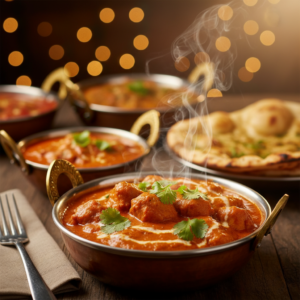
If you’ve ever ordered a butter chicken and found it surprisingly approachable despite being flavour-forward, now you know why. It’s not that the spices are absent — they’re abundant. It’s that the cream and butter in that sauce are doing quiet, brilliant work to soften the edge of every single one of them.
The Role of Acid: Tomatoes, Tamarind, and Lime
Here’s a twist that surprises most people: acid can both amplify and soften heat depending on how it’s used. At high concentrations, acidic ingredients like tamarind or lime can actually make heat feel sharper and more pronounced — they stimulate saliva and prime your taste receptors. But when acid is cooked deeply into a sauce base alongside fats and aromatics, it helps to emulsify the dish and create a rounder, more integrated flavour profile where no single element — including heat — dominates.
Tomatoes, which are a cornerstone of North Indian cooking, serve exactly this dual role. A properly made tomato-onion masala base doesn’t taste acidic to the average diner — it tastes rich, slightly sweet, and deeply savoury. But that slow-cooked acidity is doing important structural work in the dish, taming harsh edges from the spices and creating a harmony that makes the whole thing feel balanced rather than aggressive.
Why Does the Same Dish Taste Different at Every Restaurant?
The same dish can taste dramatically different across restaurants because heat experience is determined by preparation technique, spice freshness, cooking time, and ingredient ratios — not just the recipe name on the menu. If you’ve ever had a vindaloo at one Indian restaurant in Brampton and found it manageable, then ordered it somewhere else and been genuinely overwhelmed, you’ve experienced this firsthand.
According to a study published in Nutrients (2019), the bioavailability of capsaicin — meaning how much your body actually absorbs and reacts to — is significantly affected by the presence of other compounds in the food, including piperine (found in black pepper), curcumin (turmeric), and dietary fats. In other words, the entire spice blend around a chili changes how that chili behaves in your body.
This is why spice freshness matters so much. Whole spices that are toasted and ground fresh release their aromatic compounds fully, creating a complex flavour that your brain registers as rich and satisfying — not threatening. Pre-ground spices that have been sitting on a shelf lose those aromatics first, leaving behind a harsher, more one-dimensional heat. When you eat at a place that prioritizes fresh spice preparation, the experience is genuinely different — warmer, more layered, and often perceived as less aggressive even when the technical heat level is higher.
For families across Brampton and Mississauga who have hesitated to explore Indian menus because of past experiences at other establishments, this is the insight that matters most: the restaurant you choose changes everything about how the food feels. Our commitment at 7 Spice Bistro is to make every dish feel intentional, balanced, and genuinely welcoming — whether you prefer mild preparations or you’re chasing serious heat.
How We Approach Heat Customization at Our Brampton Kitchen
One of the things we hear most often from first-time guests at our Brampton location is surprise — surprise that they could request a heat level adjustment and actually taste the difference. This isn’t as simple as “add more chili or add less.” True heat customization means knowing which chilies to use at which stage of cooking, how to compensate in the spice blend to preserve the flavour profile when reducing heat, and how to communicate all of that clearly to a guest who may not have the vocabulary to describe exactly what they want.
Our team talks through heat preferences with guests the same way a good sommelier talks through wine — not to gatekeep, but to genuinely find the experience that fits. If you love deep, smoky warmth without an aggressive burn, we know which dishes to steer you toward. If you want the kind of heat that builds slowly and lingers, we have options for that too. And if you’re dining with kids or family members who are newer to Indian flavours, we can help you build a table that works for everyone — from our 7 Spice Bistro Mississauga vs. Brampton: How We Serve Two Communities with One Philosophy right through to our Hakka-inspired dishes.
Speaking of Hakka — if you’ve explored hakka food and wondered how it relates to the broader Indian culinary tradition, you already know that heat shows up differently in that style too. Indo-Chinese Hakka cooking uses fresh green chilies and chili sauces in ways that feel brighter and more immediate than a slow-cooked North Indian curry, even when the absolute heat level is similar. It’s another reminder that context shapes perception more than quantity does.
Is Your Family Actually Sensitive to Heat — Or Just Unfamiliar with Indian Flavour?
Most families who believe they cannot handle Indian food are reacting to unfamiliarity with complex spice layering, not an actual physiological sensitivity to capsaicin. This is one of the most important distinctions we can make — and it’s one our team at 7 Spice Bistro encounters almost every week.
When your palate encounters a flavour profile it hasn’t mapped before — the combination of cumin, coriander, cardamom, turmeric, fenugreek, and yes, some chili — it can register that novelty as “intense” or even “overwhelming” before the brain has had a chance to process each element individually. This is the same reason children often reject strongly flavoured foods on first encounter, then come to love them with repeated exposure. It’s not about heat tolerance. It’s about flavour familiarity.
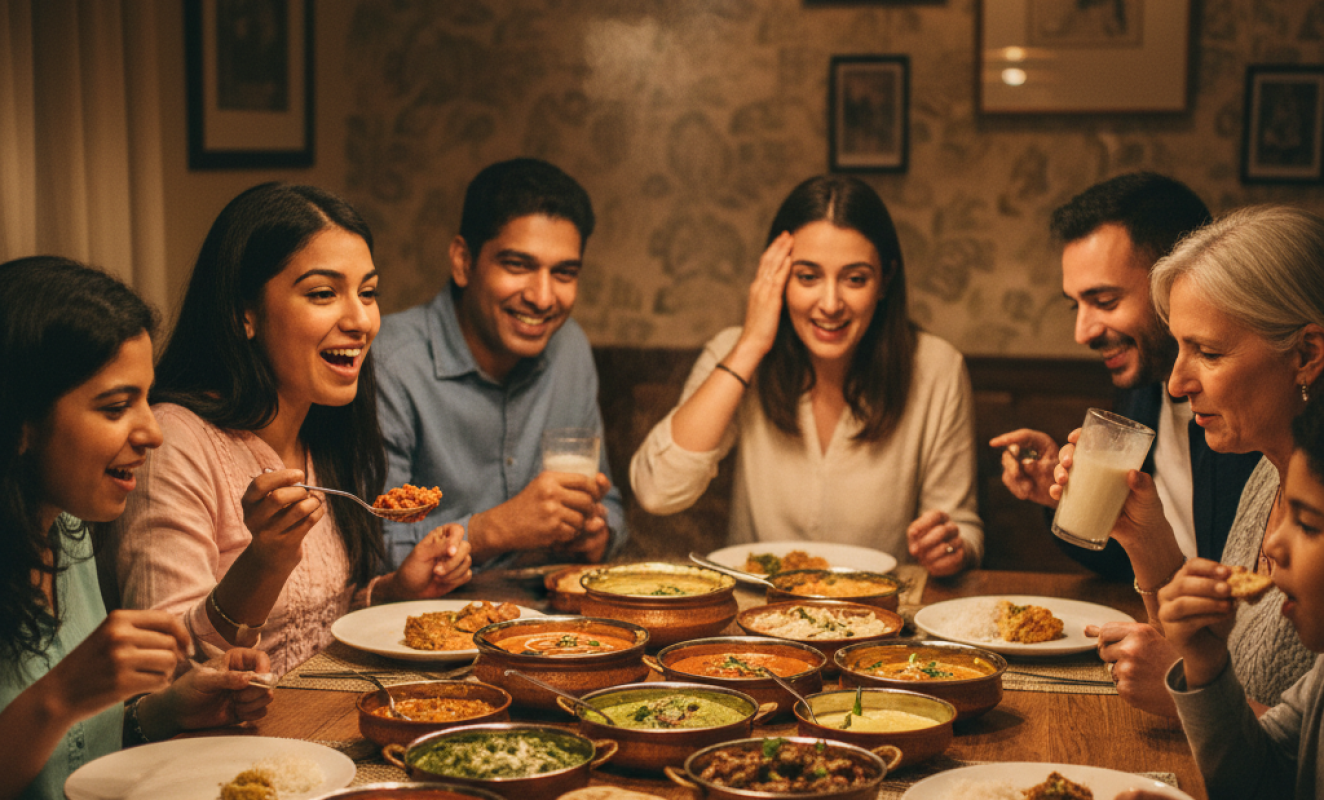
We’ve watched this play out in our dining room in Brampton dozens of times. A family comes in — maybe parents who grew up eating Indian food in Mississauga, and kids who haven’t had much exposure. The kids are nervous. They try the mild lentil dal, then the butter chicken, then tentatively try a piece of naan dipped in a korma sauce. By the end of the meal, they’re asking what the orange powder is (turmeric) and whether they can have more of the green sauce (mint chutney). The threshold didn’t change. The familiarity did.
This is also why we’d never recommend judging indian food — or any cuisine — on a single visit or a single dish. The full picture of what Indian cooking can do unfolds over time and across many different preparations. From delicate coconut-based curries from the south to the robust, smoky tandoor-cooked proteins of the north, there’s a version of this cuisine that every palate can connect with.
If you’ve been hesitant, or if someone in your family has pulled you away from Indian menus in the past, we genuinely encourage you to give it another chance — ideally with a team who will guide you through it. That’s exactly what we’re here for. Whether you find us by searching for an indian restaurant near me, stumble across our food truck presence, or have been a regular at our Brampton or Mississauga locations for years, we want every visit to feel like the food was made with your specific palate in mind. Because, as much as possible, it is.
And if you’re curious about how we bring these same flavour principles to our seafood offerings — which have their own beautiful relationship with spice and acid — take a look at Seafood in Indian Cuisine: What Makes 7 Spice Bistro’s Fish & Shrimp Dishes Stand Out. It’s one of our favourite parts of the menu to talk about.
“Heat is a tool, not a goal. The purpose of spice in great cooking is to create dimension, warmth, and depth — not to test how much pain you can endure.”
Ready to Experience Spice the Right Way?
Whether you’re a longtime lover of Indian cuisine or someone who’s been putting off that first visit, our team at 7 Spice Bistro in Brampton is ready to guide you through every flavour, every heat level, and every dish on the menu. Come in, ask questions, and let us show you what spice can really do.
✍️ Written by the 7 Spice Bistro Team
We’re the kitchen and hospitality crew behind 7 Spice Bistro, serving the Brampton and Mississauga communities with traditional Indian and Hakka cuisine prepared with modern technique and genuine care. Every article we write comes from real conversations with our guests and real experience cooking the food we love.
Frequently Asked Questions
How can I reduce the heat in an Indian dish without losing the flavour?
The most effective ways to reduce heat while preserving flavour are adding dairy (yogurt, cream, or ghee), increasing the cooking time so capsaicin breaks down, or using lower-heat chili varieties like kashmiri red chili for colour and depth without intense burn. At 7 Spice Bistro, our team is always happy to adjust dishes to suit your heat preference — just ask when you order, and we’ll make it work without compromising the dish’s character.
What Indian dishes are best for families with low heat tolerance?
Mild, dairy-forward dishes are the ideal starting point for heat-sensitive diners. Butter chicken, lamb or chicken korma, palak paneer, and dal makhani are all deeply flavourful with gentle heat profiles. These dishes showcase the aromatic complexity of Indian cooking — cardamom, coriander, cumin, and turmeric — without the chili intensity that some find overwhelming. Browse our full menu at 7 Spice Bistro to explore these and other family-friendly options.
Why does Indian food make some people sweat even when they don’t feel intense heat?
Sweating in response to Indian food is often caused by a combination of capsaicin triggering the body’s thermal regulation system and the warming effects of spices like black pepper, ginger, and fenugreek. These spices stimulate circulation and thermogenesis — your body generating heat from the inside — which produces perspiration even when the dish doesn’t feel aggressively hot on your tongue. It’s a sign the spices are doing their job, and many people find it pleasant once they understand what’s happening.
Can I build a higher tolerance for spicy food over time?
Yes — repeated exposure to capsaicin genuinely desensitizes the TRPV1 receptors in your mouth over time, meaning regular spicy food eaters do develop a higher functional tolerance. More importantly, repeated exposure to complex spice profiles — as you’d experience visiting a great Indian restaurant in Brampton regularly — builds flavour familiarity, so dishes that felt overwhelming at first begin to feel rich and inviting. It’s less about hardening yourself and more about learning to read and enjoy a new flavour language.
Related Articles
- Reading an Indian Menu Without Stress: A Warm Glossary for Brampton Diners
- The Truth About Spice Levels: How to Order Indian Food That's Perfect for Your Family
- Masala Tea Culture: Why 7 Spice Bistro's Chai Ritual Matters More Than You Think
- First Time Ordering from an Indian Restaurant? Your Warm Welcome Starts Here