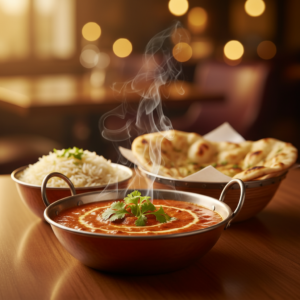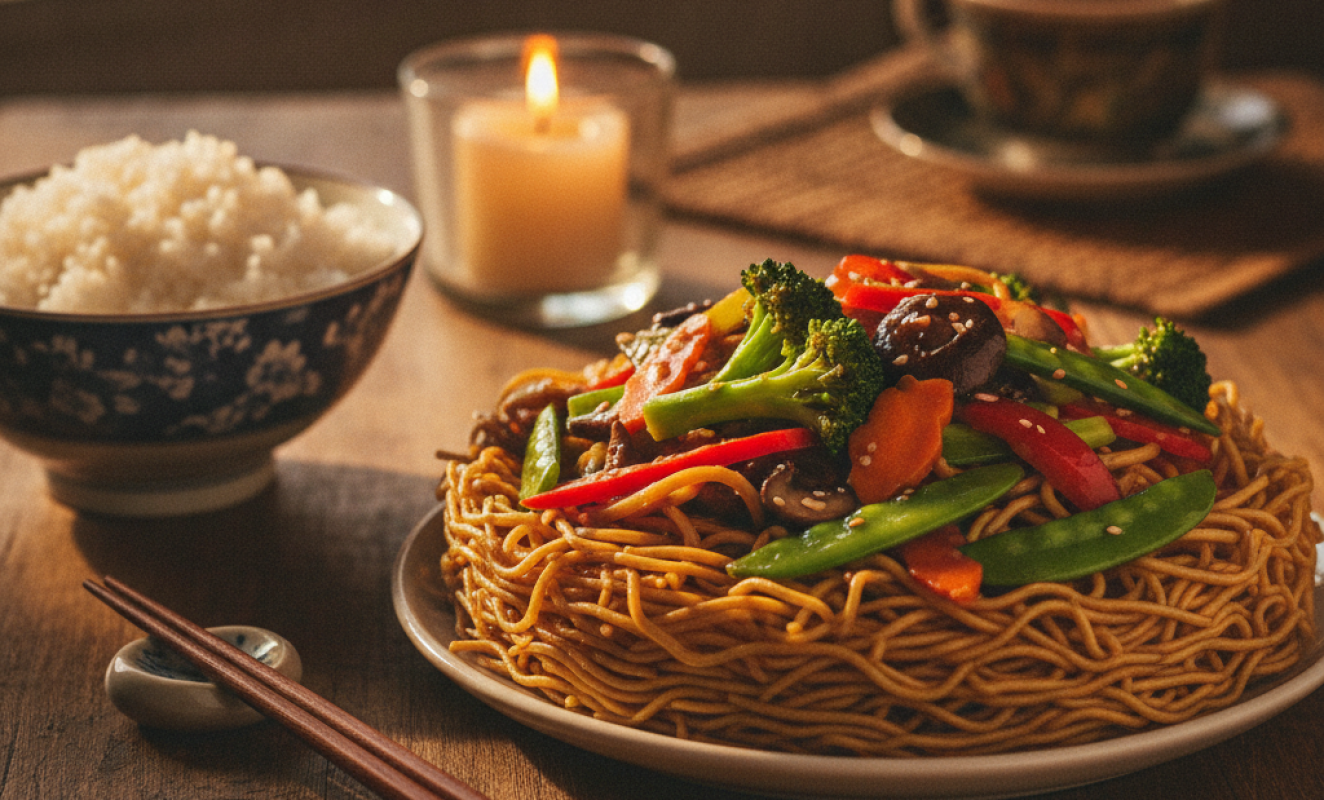
If you’ve ever typed “hakka food near me” into your phone and felt genuinely curious about what you were even searching for, you’re not alone — and you’ve landed in exactly the right place. In 2026, Hakka cuisine is having a long-overdue moment of recognition across Canadian cities, and for the food-loving communities of Brampton and Mississauga, that curiosity couldn’t be better timed. At 7 Spice Bistro, we’ve been serving Hakka Chinese food alongside our Indian cuisine for seven years, watching guests discover this remarkable culinary tradition for the first time — and then come back for it again and again. This article is our deep-dive into what Hakka food actually is, why it tastes so different from anything else, and what makes it a cuisine worth seeking out.
QUICK ANSWER
Hakka cuisine is a style of Chinese cooking developed by the Hakka people — a subgroup with roots in southern China — that evolved further as Hakka immigrants settled in India, particularly Kolkata. The result is a bold, soy-forward, wok-fired cooking tradition that blends Chinese technique with Indian spices and heat. It is distinctly different from Cantonese, Mandarin, or Szechuan cooking, and it’s widely available right here in Brampton at 7 Spice Bistro.
What Is Hakka Cuisine, and Where Does It Come From?
Hakka cuisine is a distinct culinary tradition rooted in the culture of the Hakka people, a Han Chinese subgroup who migrated across southern China over centuries before many eventually settled in countries throughout Southeast Asia and beyond. The word “Hakka” itself translates roughly to “guest people” — a nod to the community’s long history of migration, adaptation, and resilience.
The most compelling chapter of Hakka culinary history, at least for those of us cooking and eating it today, is what happened when Hakka immigrants arrived in India — particularly in Kolkata (then Calcutta) — during the 18th and 19th centuries. These communities set up restaurants and noodle shops, but they cooked for Indian palates. Over generations, the food transformed: Chinese techniques like high-heat wok cooking and fermented soy sauces were married to Indian aromatics — garlic, green chili, ginger, and dry spices. The result was something entirely new: Indian Hakka cuisine, also called Indo-Chinese food.
This is not fusion in the trendy, modern sense. This is a cuisine that evolved organically over two centuries of cultural exchange. And it is precisely this layered, lived-in history that makes Hakka food taste unlike anything else you’ll encounter at a standard Chinese restaurant or a traditional Indian restaurant.
Hakka cuisine is not a trend or a fusion experiment — it is a two-hundred-year-old culinary tradition born from migration, community, and the remarkable human instinct to cook with what surrounds you.
How Is Hakka Food Different From Other Chinese Cuisines?
Hakka food differs from other Chinese cuisines primarily in its bold use of soy sauce, vinegar, chili heat, and Indian aromatics — a combination you won’t find in Cantonese dim sum, Szechuan mala cooking, or Mandarin-style dishes. If you’ve been searching for a “hakka chinese near me” expecting something that resembles your local takeout box, prepare for a pleasant surprise.
Here are some of the defining characteristics that set Hakka apart:
The Wok Is Everything
Hakka cooking relies on intense, high-heat wok cooking — what Chinese chefs call “wok hei,” meaning the breath or spirit of the wok. This technique creates a characteristic charred smokiness on noodles and vegetables that cannot be replicated on a low-heat stovetop. When you taste Hakka chow mein or Hakka noodles fresh from a skilled kitchen, that slightly smoky depth in the background is wok hei at work.
Soy, Vinegar, and Chili — The Holy Trinity
The sauce profile in Hakka cooking is built on dark soy sauce, rice vinegar, and chili — a combination that delivers saltiness, sharpness, and heat all at once. Unlike Cantonese cuisine, which tends toward subtle sweetness and delicacy, Hakka flavors are assertive. They announce themselves. This is food that is designed to be satisfying and memorable.
Indian Spices at the Foundation
What truly separates Indian Hakka cuisine from its Chinese origins is the liberal use of ingredients like fresh green chili, cumin, coriander, and garam masala alongside the classic Chinese pantry staples. This is the Indian chapter of the Hakka story, and it’s what gives dishes like chili paneer, Manchurian, and Hakka noodles their unmistakable character. When food enthusiasts in Brampton talk about “hakka flavors brampton,” this complex layering is exactly what they’re describing.
| Cuisine Style | Primary Flavour Profile | Key Technique | Heat Level |
|---|---|---|---|
| Indian Hakka (Indo-Chinese) | Soy, chili, garlic, Indian spices | High-heat wok cooking | Medium–High |
| Cantonese | Delicate, lightly sweet, umami | Steaming, stir-fry | Mild |
| Szechuan | Numbing heat, bold spice, oil | Dry-frying, braising | Very High |
| Mandarin / Northern Chinese | Savoury, wheat-forward, mild | Roasting, dumplings, noodles | Low–Mild |
What Are the Signature Dishes of Hakka Cuisine Worth Knowing?
Hakka cuisine has a core collection of dishes that have become beloved staples across India and in diaspora communities around the world — including right here in Brampton. These are the dishes that regulars at our restaurant order on repeat, and they’re the ones we recommend to every first-time guest.
Hakka Noodles
Perhaps the most iconic Hakka dish of them all, Hakka noodles are thin wheat noodles tossed at high heat with soy sauce, vinegar, garlic, green chilies, and a mix of crisp vegetables. The noodles should have some chew, some char, and a salty-sharp sauce that clings to every strand. Done right, they’re addictive. Done poorly, they’re just oily noodles — which is why the skill of the cook matters so much.
Chili Paneer
Chili paneer is the Indo-Chinese dish that has won over an entire generation of Indian food lovers. Firm cubes of Indian cottage cheese are battered, fried until golden, and then tossed in a glossy, spicy sauce of soy, vinegar, garlic, ginger, and chopped green chili. It is simultaneously Indian and Chinese, completely original, and utterly satisfying as both an appetizer and a main course alongside fried rice.
Manchurian — Vegetable or Gobi
Manchurian is another cornerstone of Indo-Chinese cooking — spiced dumplings or battered cauliflower florets (gobi Manchurian) simmered in a dark, tangy, garlicky sauce. Despite the name, Manchurian has no real connection to the Manchuria region of China; it was invented in Indian Hakka kitchens and became a phenomenon of its own. It is messy, deeply savoury, and impossible to eat just one.
Fried Rice — Hakka Style
Hakka fried rice uses day-old rice tossed in a wok with soy sauce, spring onions, garlic, and vegetables. The high heat creates that essential smokiness that makes the dish feel substantial and complex rather than a simple leftover dish. It pairs beautifully with chili paneer or Manchurian gravy — a combination so popular in Brampton restaurants that it’s essentially become a regional favourite.
Why Is Hakka Food So Popular in Cities Like Brampton?
Hakka food is popular in cities like Brampton because it speaks directly to the South Asian diaspora — offering familiar Indian spice levels and ingredients within a satisfying Chinese-style format that feels both comforting and exciting. It is the food that millions of Indian families grew up eating at restaurants on special occasions, and it travels with communities wherever they settle.
Brampton has one of the largest South Asian populations in Canada, and that community carries a deep, generational love for Indo-Chinese cooking. When families arrive from India, one of the first things they want to find is the Hakka food they grew up loving — the chili paneer, the Manchurian, the noodles. Finding a genuinely skilled “indo chinese restaurant near me” becomes a point of pride and comfort.
Beyond the diaspora, Hakka cuisine is increasingly attracting food enthusiasts of all backgrounds who are curious about complex, layered cooking that doesn’t fit neatly into a single national cuisine category. The boldness of the flavours, the approachability of the dishes, and the vegetarian-friendly nature of many Hakka staples make it broadly appealing. Dishes like gobi Manchurian and chili paneer give non-meat-eaters genuinely exciting options without compromise.
We’ve seen this play out at our restaurant over seven years. Guests who came in originally for our Indian curries discovered Hakka noodles on the table beside them and ordered it on their next visit. Families introduced their non-Indian friends to chili paneer, and those friends started coming back on their own. Hakka food builds its own community — which is fitting, given the community from which it was born.
For those interested in exploring Brampton’s broader dining landscape, our guide to the Best Restaurants in Brampton, Ontario: A Neighbourhood-by-Neighbourhood Dining Guide for 2026 gives a broader sense of the incredible variety this city has to offer.
Where to Find Authentic Hakka Food in Brampton
For authentic Hakka food in Brampton, 7 Spice Bistro is the destination that combines seven years of kitchen experience, scratch-made sauces, and a menu that treats Hakka cuisine with the same respect and authenticity as our Indian dishes. We don’t serve Hakka food as a novelty — it is a full, proud part of who we are.
When you’re searching for an “indo chinese restaurant near me” or wondering about “hakka chinese near me,” there are a few things worth evaluating before you commit to a table:
Are the Sauces Made In-House?
Pre-made, bottled sauces are the enemy of great Hakka food. The balance of soy, vinegar, chili, and garlic needs to be calibrated to each dish and each service. At 7 Spice Bistro, our sauces are prepared fresh, which is why the flavours carry a depth that bottled shortcuts simply cannot replicate.
Does the Kitchen Actually Use a Wok at High Heat?
Wok hei is not a marketing term — it is a genuine quality indicator. If a restaurant’s Hakka noodles taste flat and oily rather than smoky and bright, that’s often a sign that the heat wasn’t high enough or the wok technique wasn’t applied correctly. Our kitchen is built around the techniques that Hakka cooking demands.
Is the Menu Genuinely Diverse?
Hakka cuisine offers far more than just noodles and fried rice. If a menu only lists three or four Indo-Chinese items as an afterthought, the kitchen likely doesn’t have deep expertise in the tradition. At 7 Spice Bistro, our Hakka section stands on its own merits, with appetizers, mains, and rice dishes that reflect the true breadth of the cuisine.
If you’re also exploring our Indian menu — which spans from rich Punjabi curries and tandoori preparations to specialties like Amritsari kulcha — you might find our guide on Butter Chicken in Brampton: What Separates an Outstanding Version From an Average One a genuinely useful read for understanding what quality-driven Indian cooking actually looks like on the plate.
We also serve a wide range of dishes that are specifically suited to vegetarian diners — a priority that shapes our entire menu, not just a single section of it. If vegetarian dining is your focus, our article on the Best Vegetarian Restaurants in Brampton: What to Look For When Plant-Based Is Non-Negotiable addresses exactly what to ask before you book a table anywhere in the city.
We serve guests from across Brampton and Mississauga, and whether you’re visiting us for the first time or you’ve been a regular for years, our goal is the same: to serve Hakka food that tastes the way it’s supposed to — bold, honest, and made with genuine skill. The next time you find yourself searching for “hakka food near me,” we hope you’ll give us the chance to show you what we mean.
Ready to Experience Hakka Food Done Right?
Visit us at 7 Spice Bistro in Brampton for dine-in or explore our full menu — including our Hakka Chinese dishes, Indian curries, and catering options. Seven years of flavour, served fresh.
✍️ Written by the Team at 7 Spice Bistro
We are the culinary team behind 7 Spice Bistro, Brampton’s home for authentic Indian and Hakka Chinese cuisine. With seven years of cooking experience and a deep respect for both culinary traditions we serve, we write from the kitchen outward — sharing knowledge that is earned, not borrowed.
Frequently Asked Questions
What makes Hakka cuisine different from regular Chinese food?
Hakka cuisine — specifically Indian Hakka or Indo-Chinese cuisine — differs from other Chinese food traditions in its use of Indian spices, fresh green chili, and garlic alongside classic Chinese pantry staples like soy sauce and rice vinegar. The result is a bolder, spicier, more pungent flavour profile than you’ll find in Cantonese or Mandarin cooking. The high-heat wok technique is shared with other Chinese styles, but the seasoning is entirely its own.
How spicy is Hakka food, and can I adjust the heat level?
Hakka food is typically medium to high in heat, driven by fresh green chilies and chili sauces — but most skilled Hakka kitchens can adjust heat levels to suit the diner. At 7 Spice Bistro, we prepare our dishes to order and are happy to modify spice levels on request. If you’re new to Hakka cuisine and uncertain about heat tolerance, starting with Hakka noodles (which tend to be milder) is a comfortable introduction.
Why is Hakka food so popular among South Asian communities in Canada?
Hakka food is deeply embedded in South Asian food culture because it evolved within Indian communities over generations — it’s the food that Indian families ate at restaurants on weekends and special occasions for decades. When South Asian Canadians settle in cities like Brampton or Mississauga, Hakka cuisine is one of the comfort foods they actively seek out. It carries nostalgia, warmth, and a genuine cultural identity that makes it far more than just a restaurant category.
Can I order Hakka food for a catering event or large group gathering?
Yes, absolutely. At 7 Spice Bistro, our catering service covers both our Indian and Hakka Chinese menus, making it an excellent option for events where you want to offer guests something beyond the expected. Hakka noodles, fried rice, chili paneer, and Manchurian all travel well and are crowd-pleasers at gatherings of any size. Contact our team through our website to discuss your event details and we’ll put together a menu that works for your group.