Why Fresh Spices and Herbs Matter More Than You Think
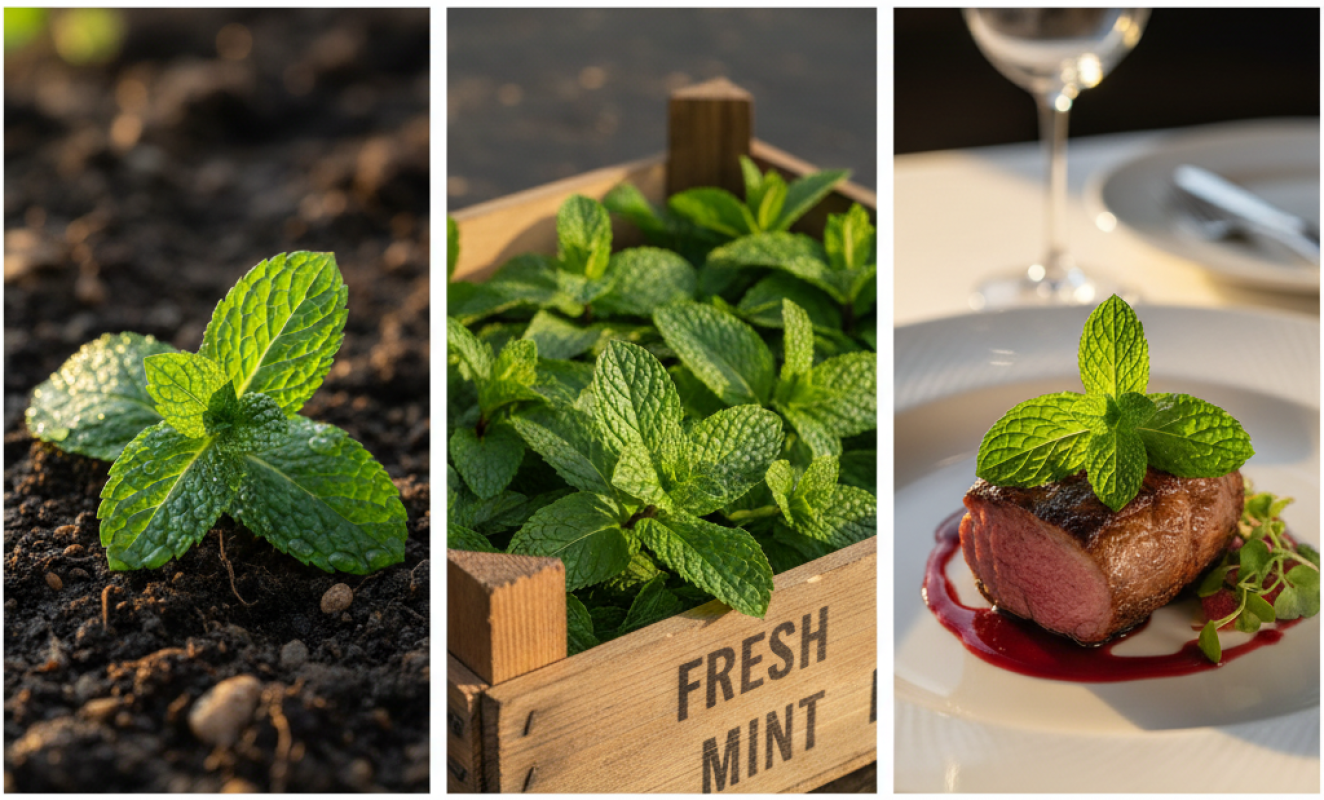
The story of fresh spices is really the story of a mint leaf — picked at dawn on a farm somewhere in Ontario or flown in from a trusted grower abroad, handed off to a wholesaler, loaded onto a truck, sorted in a warehouse, delivered to a kitchen door, and finally torn by hand over a bowl of something fragrant and warm that lands in front of you at the table. Every single step in that journey changes the leaf. The flavour, the colour, the moisture content, the aromatic oils — all of it shifts depending on how that herb is treated at each handoff. And in 2026, when guests are more curious than ever about where their food comes from, we think that story deserves to be told honestly.
At 7 Spice Bistro, we talk about herbs and spices every single day — in our morning prep, in our quality checks, in the quiet conversations our chefs have while sorting through a fresh delivery. We want to share that conversation with you, because we believe the people who eat our food deserve to understand the care that goes into it before the first bite.
⚡ QUICK ANSWER
Fresh herbs like mint, cilantro, and curry leaf lose a measurable portion of their volatile aromatic compounds within 24–48 hours of harvest if not handled correctly. At 7 Spice Bistro in Brampton, we receive herb deliveries multiple times per week and apply temperature-controlled storage protocols so that what reaches your plate retains as much of its original farm character as possible.
According to a 2022 study published by the Journal of Food Science and Technology (Springer, 2022), fresh leafy herbs can lose up to 40% of their total volatile essential oils — the compounds responsible for aroma and taste — within just 48 hours of improper post-harvest handling. That number is not abstract to us. It is the reason our receiving team checks every herb bundle the moment it comes off the truck.
Families dining in Brampton and across the border in Mississauga have come to associate our food with a certain brightness and depth of flavour. That reputation is not accidental — it is the direct result of decisions made long before you sit down at your table.
What Actually Happens to a Mint Leaf Between the Farm and Your Plate?
A freshly cut mint leaf is alive in a very real biological sense. The moment it is separated from the plant, it begins a process of cellular respiration that burns through its own sugars and aromatic oils. The flavour you want — that sharp, cooling, slightly sweet punch that makes a chutney sing or a biryani feel complete — exists in microscopic glands on the leaf’s surface. Heat, light, and poor airflow are the three fastest ways to destroy those glands.
Here is what the journey typically looks like, and where the risks hide:
Stage 1 — The Farm
Mint, cilantro, and fenugreek leaves are ideally harvested in the early morning when the plant’s essential oil concentration is at its peak and the ambient temperature is still cool. Farms that supply quality-conscious kitchens will cut, bundle, and immediately move herbs into cold storage — often within the hour. The problem begins when harvest happens mid-afternoon in warm weather, or when bundles sit in open crates too long before refrigeration. By the time a poorly handled bundle reaches a wholesaler, it may already look fine on the outside while its aromatic compounds have begun their rapid decline.
Stage 2 — The Wholesaler
This is the stage most diners never think about, and honestly, it is the stage that separates good kitchens from great ones. A wholesaler handles enormous volume. Herbs sit in large refrigerated rooms alongside produce, sometimes for one day, sometimes longer. Temperature fluctuations during loading and unloading can cause condensation to form on leaves, which accelerates decay. Ethylene gas — naturally released by ripening fruits stored nearby — can also prematurely age delicate herbs. At 7 Spice Bistro, our team has built relationships with specific suppliers over years, and one of our non-negotiables is that we receive dedicated herb deliveries on their own cold chain, not bundled with general produce on a warm truck.
Stage 3 — Our Kitchen Door
When a delivery arrives at our Brampton kitchen, it does not simply get stacked in the walk-in cooler and forgotten. Every bundle is inspected — leaf colour, stem moisture, aroma intensity. A bunch of mint that smells flat or shows even slight yellowing at the edges gets rejected. This might sound extreme, but consider what is at stake: a mint chutney made with mediocre mint tastes mediocre, no matter how good your technique is. The ingredient is the foundation. Everything else is craft applied on top of that foundation.
“A mint chutney made with mediocre mint tastes mediocre, no matter how good your technique is. The ingredient is the foundation — everything else is craft applied on top of it.” — 7 Spice Bistro Kitchen Team
How Does 7 Spice Bistro Store and Handle Herbs Once They Arrive?
Once herbs pass our receiving inspection, proper storage becomes the next critical step. At 7 Spice Bistro, we store tender leafy herbs — mint, cilantro, Thai basil — upright in containers with a small amount of cold water, like flowers in a vase, loosely covered with a breathable wrap. This keeps the stems hydrated and slows the respiration rate of the leaves without introducing excess moisture that causes rot. Hardier herbs like curry leaf are kept dry in ventilated containers at a slightly warmer temperature to prevent cell damage from overcooling.
The U.S. Food and Drug Administration’s produce safety guidelines (FDA FSMA Produce Safety Rule) emphasize that temperature management at each point of the supply chain — not just at the farm — is the single greatest predictor of fresh produce shelf life and safety. We have taken that principle and built it into our daily kitchen routine, not just as a compliance measure but as an expression of what it means to respect your ingredients.
Our herbs are also used on a strict rotation schedule. We operate on a first-in, first-out basis with a maximum holding window that is significantly shorter than what you might find at a larger operation. The tradeoff is that we order more frequently and in smaller quantities — it costs more to operate this way, but the flavour difference in the finished dish is undeniable. Guests who have been coming to us in Brampton and Mississauga for years will tell you they can taste the difference, and we agree with them.
The Curry Leaf — A Special Case
No conversation about herb handling at an authentic Indian restaurant is complete without talking about curry leaf. This is arguably the most temperamental herb in the South Asian pantry. Curry leaves begin losing their distinctive citrusy-spicy compound — carbazole alkaloids — almost immediately after harvest. Frozen curry leaves retain more of their character than refrigerated ones that are more than a few days old. We source fresh curry leaves as often as possible from suppliers with close ties to Ontario’s South Asian farming community, and we supplement with premium frozen product when fresh quality does not meet our standard. We will never use a substandard curry leaf and dress it up in oil just to say we used fresh. Honesty about ingredient state is part of our kitchen culture.
Why Does This Matter for the Authentic Indian Food Experience?
Authentic Indian cooking is inseparable from the quality of its aromatics. The cuisine is built on layered flavour — the first bloom of mustard seeds in hot oil, the mid-note of ginger and garlic, the finishing brightness of cilantro or the deep earthiness of fenugreek. Remove the vitality from any one of those layers and the entire dish shifts. You can feel it. The food becomes flat, one-dimensional, or strangely sweet when it should be complex.
This is what separates a genuinely authentic Indian restaurant from a place that uses the right names on the menu but produces food that feels like a shadow of the real thing. The shadow is made from old spices, dried-out herbs, and shortcuts at the sourcing stage. The real thing comes from obsessing over the supply chain before the chef ever touches the pan.
When families in Brampton and Mississauga search for indian food near me or indian restaurant brampton and they land on our menu and our reviews, we want the story behind the food to match the experience at the table. The 7 Spice Bistro Mississauga vs. Brampton: How We Serve Two Communities with One Philosophy piece on our site explains how we apply these same sourcing standards across both locations, because geography does not change our commitment to quality.
There is also a cultural dimension to this that we hold close. For many of our guests, Indian food is not just cuisine — it is memory, home, celebration, and comfort all at once. When someone’s grandmother’s dal tadka tasted a certain way, it is because the curry leaf that went into it was fresh off the plant in a garden that morning. We cannot replicate every dimension of that memory, but we can honour it with the same reverence for ingredient quality that made those dishes unforgettable in the first place.
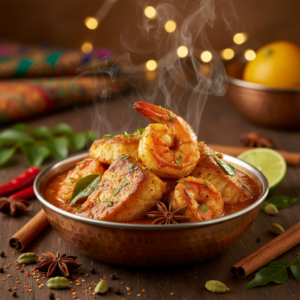
That same commitment to freshness extends to our broader menu — including our The Butter Chicken Debate: Traditional Recipe vs. Modern Brampton Interpretations, where the quality of the fenugreek leaf finish makes all the difference between a good sauce and a transcendent one. And if you love bold, bright flavours, it is equally evident in how we handle the herbs in our Seafood in Indian Cuisine: What Makes 7 Spice Bistro’s Fish & Shrimp Dishes Stand Out — coastal-style preparations where freshness of both herb and protein is non-negotiable.
What Can You Taste the Difference Between? A Practical Guide for Herb Lovers
You do not need to be a chef to train your palate to notice herb freshness. The next time you sit down to Indian food — whether with us in Brampton or somewhere else — here are the specific things to pay attention to:
Mint in Chutney
Fresh mint chutney should have a cooling brightness that hits the front of your palate and lingers. If the chutney tastes muddy, flat, or is darker green than a vibrant forest colour, the mint was likely old. Properly stored mint at peak freshness produces a chutney that almost feels tingly — the essential oils are still active and interacting with the acid from the lime juice.
Cilantro as a Finishing Herb
When cilantro is scattered over a curry or biryani just before serving, it should perfume the dish in a way that reaches you before the bowl does. Old cilantro has lost its linalool content — the compound responsible for that citrusy-floral top note — and all you smell is the soapy background note that some people unfairly blame on genetics. If you have ever thought you dislike cilantro, try it fresh-harvested and see if your opinion changes.
Hakka Dishes and Herb Integrity
The hakka food side of our menu — a beloved fusion of Indian and Chinese culinary traditions that has its own devoted following in the Brampton and Mississauga communities — relies just as heavily on herb freshness. Spring onion greens, green chilies, and fresh ginger in hakka noodles or chili chicken are not decorative. They are structural flavour components. When those ingredients are fresh, the dish has clarity and energy. When they are not, the entire stir-fry tastes heavy and confused.
We apply exactly the same receiving and storage standards to our hakka ingredients as we do to our Indian ones. One kitchen. One philosophy. No double standards for different parts of the menu.
Our Promise: Transparency From the Source to the Table
We are telling you this not to impress you with our operational checklists, but because we think transparency about sourcing is one of the most respectful things a restaurant can offer its guests. When you choose 7 Spice Bistro for a family dinner, a celebration, or a quick weeknight meal, you are trusting us with your experience. That trust is not just about flavour — it is about knowing that the people who prepared your food care about it at every stage.
We are proud to be one of the most talked-about names in Indian dining in Brampton and Mississauga. The 7 spice bistro reviews that mean the most to us are the ones where guests mention the freshness — the brightness of a chutney, the fragrance of a biryani, the pop of fresh ginger in a hakka dish. Those moments are not lucky accidents. They are the result of a mint leaf — and a hundred decisions like it — being handled with care every single day.
If you are curious about any part of how we source, store, or prepare our food, ask us. Our team genuinely loves these conversations. Come in, pull up a chair, and let us show you the difference that a truly fresh herb makes — one bite at a time.
Taste the Difference Freshness Makes
Come experience authentic Indian and hakka cuisine crafted with herbs and spices sourced and handled with genuine care. Our Brampton and Mississauga communities deserve nothing less — and that is exactly what we deliver, every service, every dish.
Planning a larger event? Our Catering Your Brampton Event: Why Indian Food Impresses Corporate Teams and Family Reunions page walks you through how we bring this same freshness commitment to large-scale catering — because a hundred guests deserve the same quality as one.
✍️ Written by the 7 Spice Bistro Team
We are the chefs, hosts, and food lovers behind 7 Spice Bistro in Brampton — a team that has been serving authentic Indian and hakka cuisine to the Brampton and Mississauga communities with heart and honesty. Every article we write comes directly from our kitchen experience, our supplier relationships, and our genuine passion for food done right.
Frequently Asked Questions
How does 7 Spice Bistro ensure its herbs are fresh at every service?
We receive herb deliveries multiple times per week, inspect every bundle at our kitchen door, store leafy herbs upright in cold water, and operate on a strict first-in, first-out rotation with holding windows shorter than industry standard. Any herb that does not pass our visual and aroma inspection at receiving is rejected, regardless of cost. Freshness is a kitchen standard, not a bonus feature.
What makes Indian food at 7 Spice Bistro taste different from other restaurants?
The difference starts before cooking begins — with the quality of fresh spices, herbs, and aromatics we source. Authentic Indian cooking is a layered flavour experience, and every layer depends on the vitality of its ingredients. When mint, cilantro, curry leaf, and fresh ginger are handled correctly from farm to plate, the food has a brightness and complexity that simply cannot be faked with dried substitutes or old produce.
Why does herb freshness matter so much in Indian cuisine specifically?
Indian cuisine is one of the most aromatic food traditions in the world, built on volatile compounds found in fresh herbs and spices that diminish rapidly after harvest. The finishing herbs used in dishes like biryani, dal, and chutneys are not just garnish — they are active flavour contributors. Losing their aromatic oils to poor handling means losing an entire flavour dimension from the finished dish, which is why sourcing and storage are treated as seriously as cooking technique at 7 Spice Bistro.
Can I ask the kitchen about sourcing when I visit 7 Spice Bistro in Brampton or Mississauga?
Absolutely — and we genuinely encourage it. Our team loves talking about where our ingredients come from and why we make the sourcing choices we do. Whether you are curious about a specific herb, a seasonal ingredient, or how our hakka dishes differ from our Indian menu in terms of aromatics, ask us when you visit either our Brampton or Mississauga location. These conversations are part of what makes dining with us feel like more than just a meal.
Related Articles
- How Fresh Spices Change Everything: Quality You Can Taste at 7 Spice Bistro
- Behind the Scenes: How 7 Spice Bistro Sources Fresh Spices Weekly
- The June Spice Calendar: What's Fresh, What's Peak, and Why Your Timing Matters
- The Turmeric Question: Golden Milk Trends vs. What Real Indian Families Actually Drink