Naan Bread Varieties: From Traditional Tandoor to Modern Interpretations at Your Local Bistro
If there’s one element of Indian food that truly bridges tradition and innovation, it’s naan bread. This simple yet profound staple has been feeding families across India for centuries, and today, it’s become just as beloved here in Brampton and Mississauga. Whether you’re a longtime fan of 7 spice bistro or searching for an indian restaurant near me, understanding naan’s journey from ancient cooking methods to contemporary interpretations will deepen your appreciation for every bite.
At our bistro, we’ve dedicated ourselves to honoring naan’s authentic roots while embracing modern preparation techniques that elevate the dining experience. This isn’t just bread—it’s the foundation of countless memorable meals, and we want to share that knowledge with you.
QUICK ANSWER
Naan is a leavened flatbread cooked in a tandoor (clay oven) at extremely high temperatures, traditionally served as an accompaniment to curries. Modern variations include garlic naan, peshwari naan, and innovative flavors reflecting contemporary culinary trends. At 7 Spice Bistro, we offer both time-tested classics and creative interpretations to suit every palate.
The History and Tradition Behind Naan Bread
Naan’s story is one of simplicity transformed into culinary magic. Dating back to around 3000 BCE in ancient Persia, naan eventually became a staple across the Indian subcontinent, particularly in regions like Punjab and the northern states. The bread arrived in South Asian kitchens through merchant routes, and over centuries, each region developed its own interpretation and preparation method.
What makes naan so special is its connection to the tandoor—a cylindrical clay oven that reaches temperatures between 900-1000 degrees Fahrenheit. This intense heat creates the bread’s signature charred spots, tender interior, and slightly crispy exterior. When you’re seeking the best Indian restaurant in Brampton, one of the first things to evaluate is the quality of their naan. You can tell immediately if a restaurant respects tradition by tasting their bread.
For families in Brampton and Mississauga who grew up with naan, that first bite carries emotional weight—it connects you to heritage, to family dinners, to moments of comfort. Our team understands this deeply. That’s why we source the finest flour, use traditional recipes passed down through generations, and maintain our tandoor with the same care an artisan would show a precious instrument.
Traditional Naan Varieties You’ll Find at 7 Spice Bistro
When you browse our 7 spice bistro menu, you’ll notice we don’t take shortcuts with traditional varieties. Each type has a specific purpose, a specific moment in an Indian meal where it shines brightest.
Plain Naan
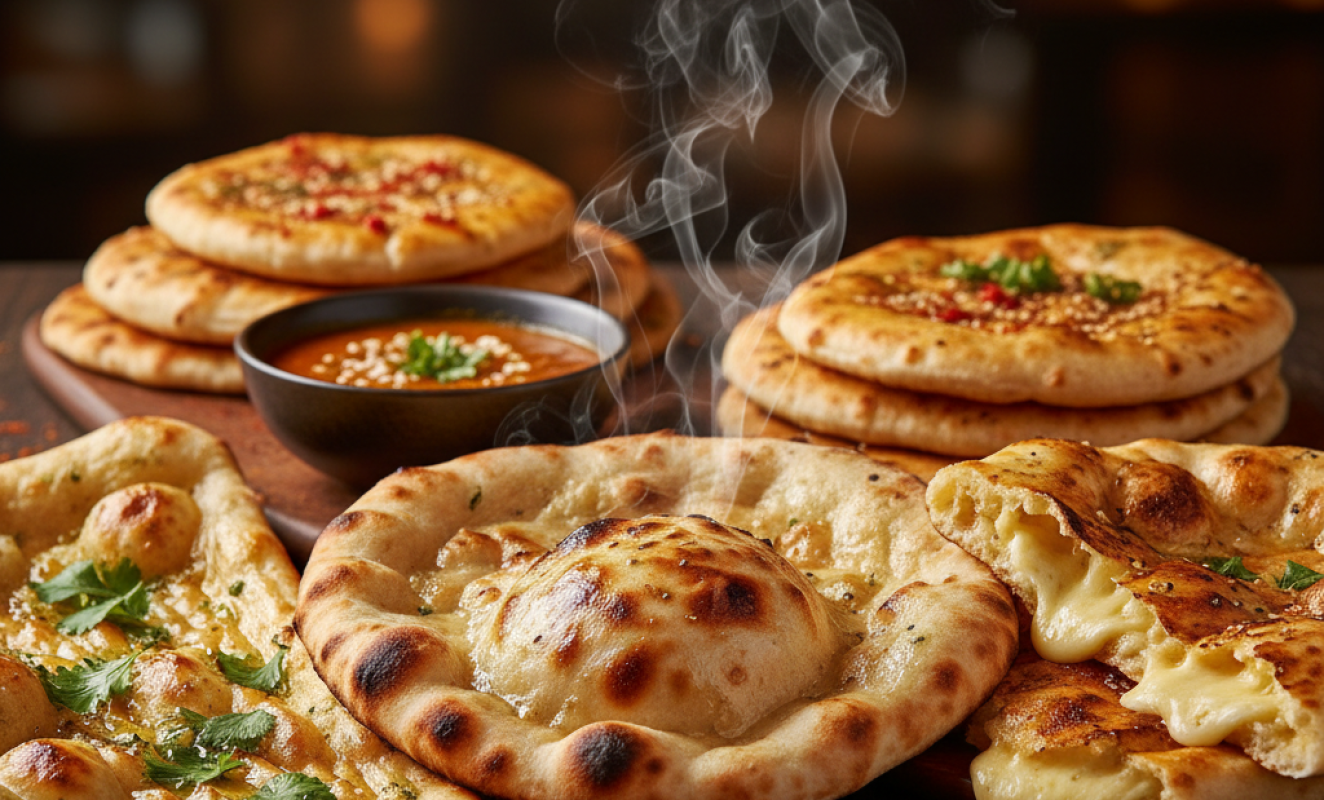
The purist’s choice. Plain naan is simply flour, water, yogurt, salt, and yeast—nothing more. The beauty lies in restraint. When prepared correctly, plain naan has a subtle sweetness, a tender crumb, and those essential charred bubbles that indicate proper tandoor technique. It’s the perfect vehicle for rich curries, allowing the spices and flavors to take center stage.
Garlic Naan
Brush plain naan dough with a mixture of minced garlic, ghee, and fresh cilantro before it hits the tandoor, and you’ve created something magical. Garlic naan’s aroma alone can transport you to a bustling restaurant kitchen in Delhi or Mumbai. The garlic caramelizes slightly in the intense heat, creating pockets of deep, savory flavor. At our bistro in Brampton, families often order garlic naan specifically to accompany lighter curries—the garlic adds complexity without overwhelming delicate spices.
Peshwari Naan
Named after Pune’s historical Peshwa rulers, this sweet and savory naan is stuffed with a mixture of coconut, ground almonds, raisins, and sometimes dates. The filling caramelizes during cooking, creating a slightly sweet contrast to spiced curries. Peshwari naan works beautifully as a dessert-adjacent bread or as a palate cleanser between courses.
Kulcha
Cousins to naan, kulchas are slightly thicker and often stuffed with spiced potatoes, paneer cheese, or meat. They’re more substantial than standard naan and work wonderfully as a light meal on their own or paired with pickles and yogurt.
Modern Naan Interpretations: Innovation With Respect
Here’s what we believe at 7 Spice Bistro: honoring tradition doesn’t mean rejecting innovation. Some of the most exciting developments in Indian cuisine come from chefs who deeply understand classical techniques, then thoughtfully experiment within that framework.
Modern naan interpretations have expanded the bread’s possibilities without losing its essence. We’ve seen chefs in Mississauga and across the Greater Toronto Area introduce variations like:
Herb and Cheese Naan: A fusion approach that incorporates fresh herbs like basil, oregano, and parsley with melted mozzarella or paneer. These breads work beautifully as appetizers or alongside lighter, contemporary Indian dishes.
Chili and Honey Naan: A playful sweet-spicy combination that appeals to diners seeking bold, unexpected flavors. The heat from fresh chilies contrasts with a drizzle of honey that caramelizes in the tandoor.
Whole Wheat and Multigrain Naan: Health-conscious diners appreciate these heartier variations. Using whole wheat flour, oat flour, or seed blends creates a nuttier flavor profile while maintaining authentic texture.
Black Garlic and Truffle Naan: This is where tradition meets luxury. Some upscale restaurants in the region have experimented with aged black garlic and truffle oil, creating a sophisticated bread that elevates the entire dining experience.
The key difference between successful modern naan and gimmicky versions? Successful interpretations still prioritize the bread’s fundamental qualities—the tender crumb, the char, the ability to complement a curry. They enhance without overshadowing. From rice to curry and everything in between, understanding the building blocks of authentic Indian dishes helps you appreciate why certain innovations work while others miss the mark.
“The best naan you’ll ever taste is the one that was made with intention—whether that’s intention to preserve tradition or intention to respectfully innovate.” — Chef traditions across India
How to Choose the Right Naan for Your Meal
One of the most delightful aspects of dining at an authentic Indian restaurant near me is the opportunity to experiment with bread pairings. Unlike Western dining where bread serves primarily as an accompaniment, naan in Indian cuisine is a true partner to the curry.
Pairing with Creamy Curries: Rich dishes like butter chicken, paneer tikka masala, or korma pair beautifully with plain or garlic naan. The bread’s slight tang from yogurt and its neutral flavor allow the creamy sauce to shine without competition.
Pairing with Spiced Curries: When you’re enjoying a complex, heavily spiced curry—perhaps a vindaloo or a fragrant biryani-style dish—consider peshwari naan or a stuffed kulcha. The slight sweetness and textural variety provide balance and prevent spice fatigue.
Pairing with Lighter Dishes: If you’re ordering tandoori proteins or lighter vegetable preparations, whole wheat naan or herb-infused varieties complement the dish without adding richness that might feel heavy.
For Appetizers: Modern naan variations with cheese, herbs, or spices work wonderfully as starters, allowing diners to experience the bread itself as the main attraction rather than just an accompaniment.
At 7 Spice Bistro in Brampton, our team is always happy to offer recommendations based on what you’re ordering. We’ve spent years studying how different breads interact with different dishes, and we love sharing that knowledge with our guests.
The Tandoor: Heart of Naan Mastery
You cannot discuss naan without deeply understanding the tandoor. This ancient cooking vessel isn’t simply an oven—it’s a specialized tool that requires skill, experience, and genuine respect to master.
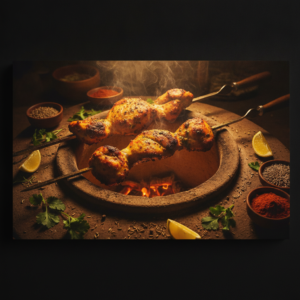
A traditional tandoor is made from clay and shaped like a large pot or drum. It’s heated using either charcoal or gas, and the walls retain heat exceptionally well. When dough is slapped against the inner walls, it cooks rapidly and unevenly—creating those characteristic bubbles and charred spots that indicate proper technique. According to the Institute of Hotel Management (IHM) in India, achieving the perfect tandoor temperature and consistency requires approximately 2-3 years of hands-on training for a professional tandoori cook.
The difference between properly tandoor-cooked naan and pan-fried or oven-baked naan is immediately apparent: the texture, the flavor development, and the nutritional profile all differ significantly. When you’re searching for authentic Indian food in Mississauga or Brampton, the quality of the naan is often your first indicator of whether the restaurant invests in authenticity.
At 7 Spice Bistro, we maintain a traditional tandoor that we’ve calibrated specifically for optimal naan preparation. Our tandoori specialists monitor temperature, humidity, and timing with the precision of scientists. This commitment means every naan that leaves our kitchen meets our standards—no shortcuts, no excuses.
Research from culinary institutions across North America has shown that traditional tandoor cooking creates compounds through the Maillard reaction (the browning process) that enhance both flavor and digestibility compared to other cooking methods. This is why grandmothers across India have always insisted that tandoori food tastes better—they were intuitively understanding food science.
Why Naan Matters in Your Indian Dining Experience
Naan represents something profound in Indian cuisine: the democratization of flavor. Throughout India’s history, bread was affordable sustenance for working people, yet it was prepared with such care and technique that it became worthy of royal tables. When you eat naan, you’re participating in a tradition that spans centuries and socioeconomic boundaries.
For families in Brampton and Mississauga, naan often serves as the bridge between childhood memories and current dining experiences. Parents introduce their children to Indian food through naan—it’s approachable, it’s satisfying, it’s versatile. Over time, those children develop their own preferences for different varieties, different spice levels, different accompaniments. Food becomes identity, family, belonging.
This is why we take naan seriously. Every batch we prepare carries the responsibility of feeding not just hungry customers, but people who are nourishing important connections to their heritage and their families. When you visit 7 Spice Bistro, we want your naan experience to be a moment of genuine satisfaction and joy.
Whether you’re a third-generation Indian Canadian who grew up with naan on your family table, or someone discovering Indian cuisine for the first time, we believe naan has the power to connect, comfort, and inspire. That’s not hyperbole—that’s what we see in our dining room every single day.
Ready to Experience Authentic Naan?
Visit 7 Spice Bistro and taste the difference that tradition, respect for craft, and genuine care can make. Explore our full range of naan varieties and discover your new favorite. Our team in Brampton is ready to welcome you.
✍️ About the Author
Written by the 7 Spice Bistro team, passionate culinary educators dedicated to helping Brampton and Mississauga families understand and appreciate authentic Indian cuisine. With over a decade of experience in traditional Indian cooking and contemporary food service, we’re committed to sharing knowledge that enhances your dining experience and deepens your connection to this incredible culinary tradition.
Related Articles
- The Naan-to-Paratha Progression: Building Your Bread Education One Bite at a Time
- Paneer vs. Tofu: The Vegetarian Protein Face-Off in Modern Indian Cooking
- Momos, Samosas & More: The Appetizer Starter Pack for Families New to Indian Food
- The Samosa-Momo Starter Strategy: How to Order Appetizers Like You Know What You're Doing