Why Your Search for “Indian Food Near Me” Should Start With the Appetizer Menu
When you type “indian food near me” into your phone for the first time, you’re not just looking for a meal — you’re looking for an experience that feels right from the very first bite. And in 2026, with Indian cuisine ranking as one of the fastest-growing restaurant categories in Canada, that first bite almost always comes in the form of an appetizer. According to Restaurants Canada (2024), nearly 68% of diners say their overall meal satisfaction is strongly influenced by the quality of their starter course — which means getting that appetizer order right isn’t just a nice-to-have, it’s the foundation of your entire dining experience.
At 7 Spice Bistro, we’ve watched thousands of guests — from first-timers to seasoned regulars across Brampton and Mississauga — sit down and immediately reach for the appetizer section of the menu with wide, slightly overwhelmed eyes. Samosas or momos? Chaat or pakoras? Hakka appetizers or traditional Indian starters? The choices feel delightfully endless, and without a little guidance, it’s easy to over-order, under-order, or accidentally set yourself up for a main course that doesn’t flow from what came before it.
This guide is our gift to you. We’re going to walk you through the psychology behind smart appetizer ordering — what to choose, what to pair, what to skip on your first visit, and how the right starter combination can make every main course taste better. Think of it as the insider knowledge our servers carry in their heads every single shift, now written down so you can arrive prepared.
⚡ QUICK ANSWER
The smartest appetizer strategy at an Indian restaurant is to order one fried starter (like a samosa or pakora) and one steamed or lighter starter (like a momo or chaat) per two people. This contrast of textures and flavor intensities primes your palate without overwhelming it — so your main course lands exactly the way it was meant to.
What Is the Samosa-Momo Strategy and Why Does It Work?
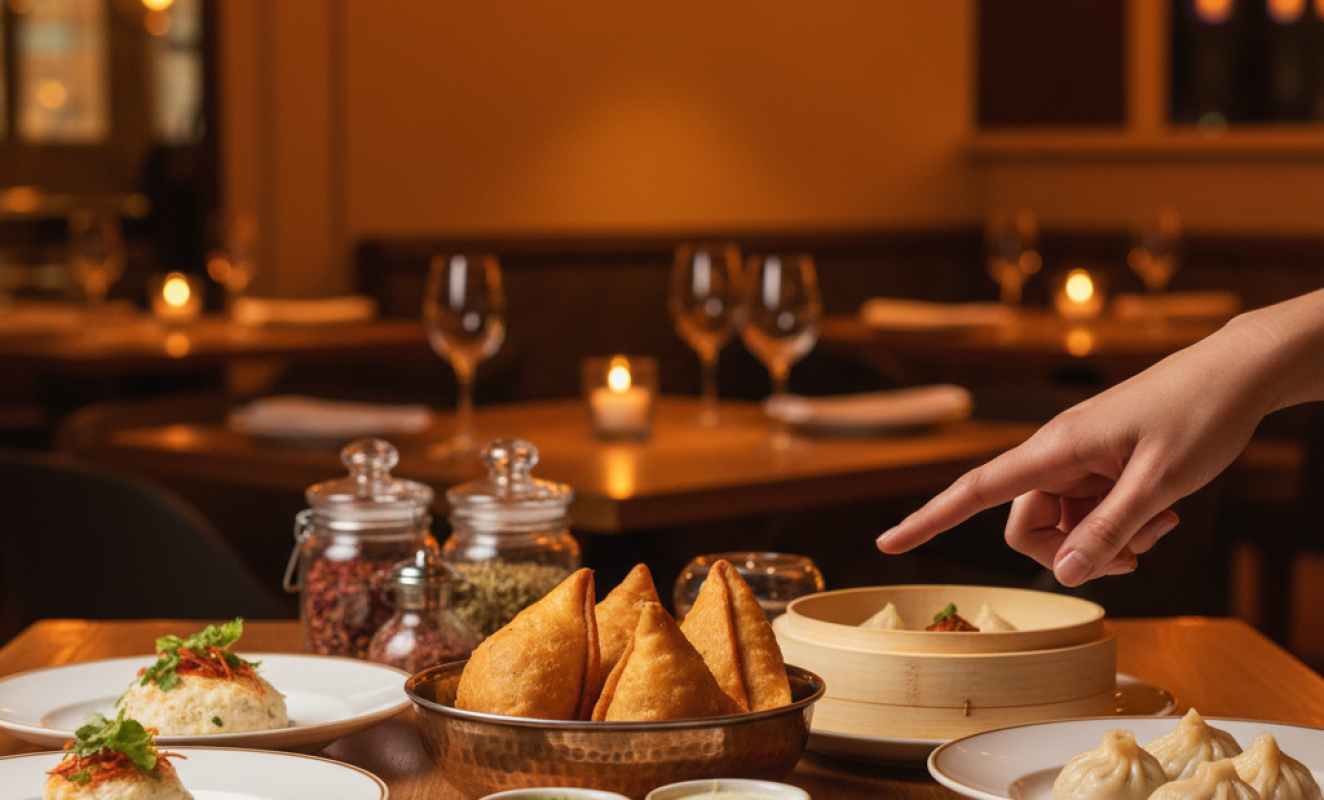
The Samosa-Momo Strategy is simple: pair one bold, crispy, spiced starter with one delicate, softer, subtly seasoned one. This works because the two styles of appetizer serve completely different functions on your palate — and together, they create a sensory opening act that prepares you for the fuller, richer flavors of an Indian main course without leaving you too full or too desensitized to spice.
A samosa is the gold standard of the bold-and-crispy category. The outer pastry delivers crunch and a slight oiliness that triggers the first wave of appetite. Inside, the spiced potato and pea filling (or meat filling, depending on your preference) announces exactly the flavor register you’re stepping into: cumin-forward, warming, deeply savory. Your brain immediately begins calibrating for Indian spice — and that calibration is everything.
The momo, by contrast, is the gentle counterpoint. Originating from Himalayan and Nepali traditions and now deeply embedded in the Indian-Hakka food landscape of cities like Brampton and Mississauga, momos are steamed dumplings that carry flavor quietly. Their thin dough wrapper holds the filling softly, and when paired with a lightly spiced dipping sauce, they clean and reset the palate between bites of something heavier. According to Statista (2024), South Asian fusion dishes — including Indo-Nepali items like momos — have seen a 34% increase in online menu searches across Canadian cities, reflecting just how mainstream this once-niche appetizer has become.
“The contrast between a crispy samosa and a steamed momo isn’t just textural — it’s psychological. One wakes the palate up; the other tells it to listen carefully. Together, they set the table for everything that follows.”
At 7 Spice Bistro, our kitchen team thinks about appetizers as the opening paragraph of a story. Just as a great first paragraph in a book sets the tone, pacing, and emotional register of everything that follows, the right starter combination sets your digestive system, your spice tolerance calibration, and your flavor expectations in exactly the right place. That’s not overthinking it — that’s hospitality done intentionally.
How Do You Know Which Appetizers to Order First?
The best first appetizers are the ones that introduce flavor gradually — start with lower heat and build up, rather than opening with the spiciest thing on the menu and numbing your palate before the mains arrive.
Step 1: Read Your Group Before You Read the Menu
Before you even scan the appetizer section, do a quick inventory of who’s at the table. Are there kids who need something familiar and mild? Parents who want something they recognize from their own childhood kitchens? Friends who are brand-new to Indian food and are slightly nervous? Your appetizer selection should serve as a welcome mat for everyone at the table.
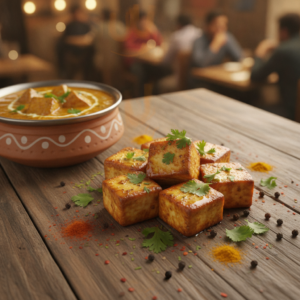
For first-timers: a vegetable samosa with tamarind chutney is the single most universally loved entry point in Indian cuisine. It’s recognizable in concept (a pastry with filling), warm and comforting in execution, and introduces the spice vocabulary of cumin, coriander, and garam masala without any confrontational heat. Pair it with a plate of paneer tikka — grilled, lightly charred, and only mildly spiced — and you’ve given newcomers two easy wins before the main event.
For experienced Indian food lovers: you can be more adventurous right away. Pani puri, bhel puri, or a well-assembled chaat dish can go on the table immediately. These require some familiarity — they’re acidic, tangy, crunchy, and multi-dimensional — and they reward guests who already understand the language of Indian street food.
Step 2: Think About What You’re Ordering for the Main Course
This is the most overlooked part of appetizer ordering, and it’s where most tables go wrong. If your main course is going to be a heavy, cream-based dish — a rich butter chicken, a saag paneer, or a lamb rogan josh — you want appetizers that are lighter and more acidic to create contrast. A chaat with its tangy tamarind and yogurt base works beautifully here because it essentially primes your palate with brightness before the richness arrives.
If, on the other hand, your mains are going to be drier dishes — tandoori plates, grilled meats, or a dry-style hakka preparation — then a fried, saucy appetizer like gobi manchurian or crispy chicken lollipops makes more sense as an opener. The sauce in the appetizer fills the moisture gap that your main course won’t be providing.
Our team at 7 Spice Bistro regularly helps guests at our Brampton location navigate exactly this kind of pairing logic. Don’t hesitate to ask your server — it’s genuinely one of our favorite conversations to have.
For more on how our main course flavors are built, check out The Butter Chicken Debate: Traditional Recipe vs. Modern Brampton Interpretations — it’ll change how you think about what comes after the starters.
Why Hakka Appetizers Deserve Their Own Moment on the Table
Hakka appetizers deserve a dedicated spot in your ordering strategy because they occupy a completely unique flavor space — bold, soy-forward, slightly sweet-and-sour — that is distinct from traditional Indian starters and creates genuine variety on the table.
Hakka food is one of the most beloved and underappreciated culinary traditions in the South Asian diaspora. Developed by Chinese immigrants who settled in India — particularly in Calcutta — and later brought to cities like Brampton and Mississauga by Indian-Canadian communities, Hakka cuisine represents a true cultural fusion. At 7 Spice Bistro, our Hakka appetizers are among the most ordered items on the menu, and for good reason.
Dishes like chilli chicken, gobi manchurian, and Hakka spring rolls occupy a flavor profile that is simultaneously familiar and surprising. The umami punch of soy sauce, the gentle fire of green chilies, the brightness of ginger and garlic — these are notes that feel different from a traditional Indian masala, and that difference is an asset when you’re building a table-wide appetizer spread.
Here’s the practical tip: if your table is ordering both Indian and Hakka mains, mirror that in your appetizers. One Indian starter, one Hakka starter. The contrast sets up the thematic journey of the meal and prevents any single flavor profile from dominating the experience before it has a chance to fully develop.
And if you’re curious about how that same cross-cultural culinary philosophy extends to our seafood offerings, our piece on Seafood in Indian Cuisine: What Makes 7 Spice Bistro’s Fish & Shrimp Dishes Stand Out is a great next read.
What Makes 7 Spice Bistro the Best Indian Restaurant in Brampton for First-Time Diners?
7 Spice Bistro earns its reputation as the best indian restaurant brampton has to offer for first-timers because of how intentionally the menu is designed to guide guests — from the appetizer section all the way through to dessert — without ever feeling overwhelming or inaccessible.
It’s not just about the food, though the food is genuinely excellent. It’s about the architecture of the experience. When you sit down at 7 Spice Bistro in Brampton, you’re not handed a menu and left to figure it out alone. Our servers are trained to read the table — to notice whether guests are first-timers or regulars, whether they’re celebrating something or having a casual Tuesday dinner, whether they want to be adventurous or comforted — and to offer guidance accordingly.
The 7 Spice Bistro menu is also structured to support smart ordering. Appetizers are grouped by style and heat level. Descriptions are honest and specific — we tell you when something is genuinely spicy, not just when it’s “medium” by a standard that doesn’t match yours. And the portion sizes are calibrated so that a two-person starter order genuinely works as a two-person starter, rather than a two-person meal that accidentally eliminates any room for mains.
Our Brampton and Mississauga locations both reflect this same philosophy — a belief that great Indian food isn’t just about great recipes, but about creating conditions where every guest can actually taste and appreciate what’s in front of them. For a deeper look at how we serve both communities with that same standard, read our full breakdown at 7 Spice Bistro Mississauga vs. Brampton: How We Serve Two Communities with One Philosophy.
A Quick Reference: Appetizer Pairing by Main Course Type
| Main Course Style | Recommended Starter | Why It Works |
|---|---|---|
| Rich cream-based curries (butter chicken, korma) | Chaat or pani puri | Acidity and brightness contrast the richness; palate stays alert |
| Dry tandoori / grilled mains | Gobi manchurian or chilli chicken | Saucy Hakka starter adds moisture and umami before drier mains |
| Mixed Indian + Hakka mains for a group | Samosa + momo (the core strategy) | Mirrors the dual-cuisine meal ahead; introduces both flavor languages |
| Seafood mains (fish curry, shrimp dishes) | Paneer tikka or vegetable pakora | Neutral, mild starters don’t compete with delicate seafood flavors |
| First-time diners (any mains) | Vegetable samosa + steamed momo | Familiar textures, manageable heat, maximum confidence |
How Many Appetizers Should You Actually Order for Your Table?
The right number of appetizers is one to two dishes per two guests — enough to share, explore, and arrive at your main course with appetite still intact. Over-ordering starters is one of the most common mistakes at Indian restaurants, and it happens because the appetizer section is genuinely exciting.
Our rule of thumb at 7 Spice Bistro: for a table of two, order two appetizers. For a table of four, order three to four. For a larger group of six or more — which is common in the Brampton community, where family-style dining is a way of life — five appetizers in varied styles creates a beautiful, sharable spread without causing the inevitable “we’re all full and haven’t touched the biryani yet” moment.
Timing also matters. Let your appetizers land, eat them slowly, and give your stomach about fifteen minutes before your mains arrive. If you’re in a group that tends to eat quickly, let your server know you’d like a slight gap between starter and main — any good restaurant, including ours, will accommodate that without hesitation. Indian food is meant to be paced, not rushed.
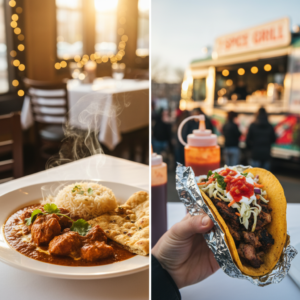
The same mindful approach applies whether you’re visiting our Brampton dining room, our Mississauga location, or catching our food truck at a local Brampton community event. The goal is always the same: arrive at your main course in exactly the right state — curious, warm, just slightly hungry, and perfectly primed.
Ready to Put the Strategy Into Practice?
Come experience the Samosa-Momo Strategy in person. Our team at 7 Spice Bistro in Brampton is ready to guide you through every bite — from your first samosa to your last spoonful of dessert. Whether you’re a first-timer or a longtime regular, we’ll make sure the appetizers set you up perfectly.
✍️ Written by the 7 Spice Bistro Team — We’re the chefs, servers, and food lovers behind Brampton and Mississauga’s most talked-about Indian and Hakka dining experience. We write about food the same way we cook it: with intention, warmth, and a genuine belief that every guest deserves to feel like they know exactly what they’re doing at the table.
Frequently Asked Questions
How do I know which appetizers to order if I’ve never eaten Indian food before?
Start with a vegetable samosa and a plate of steamed momos — this combination introduces you to both traditional Indian and Hakka flavor profiles in the gentlest, most approachable way possible. Both dishes are mild enough for complete beginners, familiar enough in texture and concept to feel comfortable, and flavorful enough to immediately communicate why people love this cuisine. At 7 Spice Bistro, our servers are always happy to walk first-time guests through the appetizer section with no pressure and a lot of genuine enthusiasm.
What is the difference between Indian appetizers and Hakka appetizers?
Indian appetizers — like samosas, pakoras, and chaat — are rooted in the spice traditions of the Indian subcontinent, using ingredients like cumin, coriander, tamarind, and yogurt to build flavor. Hakka appetizers — like chilli chicken, gobi manchurian, and spring rolls — emerge from the Indo-Chinese culinary fusion tradition and feature soy sauce, ginger, garlic, and green chilies as their primary flavor drivers. Both are delicious; they simply speak different flavor languages, and ordering one of each gives your table the full range of what 7 Spice Bistro’s kitchen can do.
Why do some appetizers at Indian restaurants feel filling while others don’t?
Fried appetizers — samosas, pakoras, bhajis — are denser and more calorie-rich because of the cooking method and the oil absorption that naturally occurs during frying. Steamed or grilled options like momos, tandoori paneer tikka, or reshmi kebabs are lighter because they don’t carry that added fat load. If you’re planning a large main course, our advice is to lead with one lighter starter and keep the fried item as the table’s shared indulgence rather than the primary starter for each guest individually.
Can I order appetizers as a full meal if I’m not very hungry?
Absolutely — and this is more common than you might think, especially for lunch visits or solo diners. A combination of two to three appetizers from the 7 Spice Bistro menu can absolutely serve as a complete and satisfying meal. We’d suggest pairing something fried, something grilled or steamed, and something sauce-based (like a chaat or a manchurian dish) to get a full range of textures and flavor profiles. Just let your server know you’re building a meal from the starters section and they’ll help you portion it correctly.
Related Articles
- The Naan-to-Paratha Progression: Building Your Bread Education One Bite at a Time
- Momos, Samosas & More: The Appetizer Starter Pack for Families New to Indian Food
- Naan Bread Varieties: From Traditional Tandoor to Modern Interpretations at Your Local Bistro
- Paneer vs. Tofu: The Vegetarian Protein Face-Off in Modern Indian Cooking